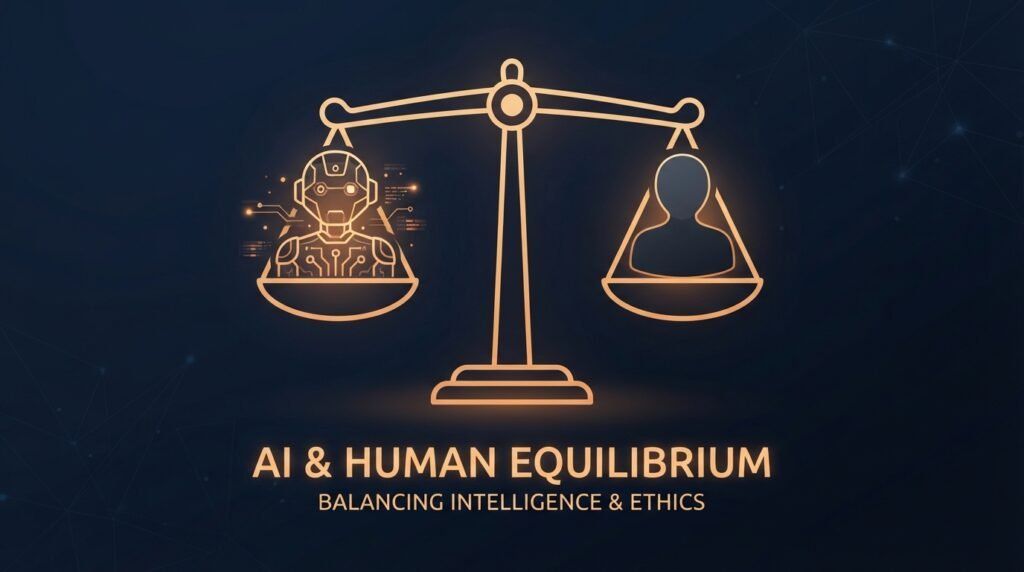
We’ve written before about how AI is automating the early stages of OSINT work — collection, entity resolution, pattern detection, all faster than any human analyst could manage alone. What deserves a closer look is the part that automation hasn’t solved, and by most current accounts, can’t solve on its own: judgment.
Industry coverage of OSINT heading into 2026 keeps landing on the same conclusion from different angles. AI excels at the parts of investigation where humans are inefficient — chiefly large-scale data collection — but relying on it for the entirety of an investigation carries real risk, because these systems remain prone to bias and hallucination. Human expertise stays essential for exactly the parts that matter most: context-aware analysis, verification, and ethical decision-making.
What AI is genuinely good at in this workflow

It’s worth being fair about where the automation genuinely earns its place, because the case for human oversight isn’t an argument against AI in OSINT — it’s an argument about what role each should actually play. AI-powered tools now routinely handle:
- Large-scale, continuous data collection across social media, forums, public records, and technical infrastructure, at a volume and speed no analyst team could sustain manually.
- Entity resolution and pattern surfacing, connecting scattered mentions and flagging relationships a human might take days to piece together.
- Anomaly detection, catching unusual spikes or patterns — a sudden cluster of similar phishing domains, for instance — that would be easy to miss scanning data by hand.
- Shifting investigations from reactive to proactive. Continuous automated monitoring means threats can sometimes be flagged before they fully materialize, rather than only being investigated after the fact.
None of this is in dispute. The disagreement in the field isn’t about whether AI belongs in OSINT — it’s about where the human needs to stay firmly in control of the process.
Where AI alone genuinely breaks down
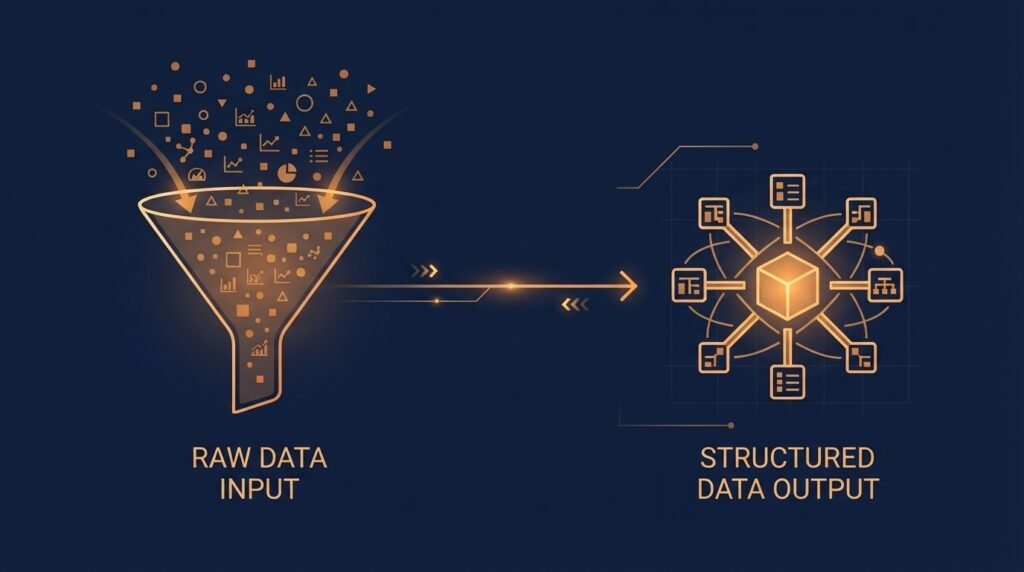
A few specific failure modes show up consistently across current research and practitioner writing on this problem:
- Hallucination. AI models can produce confident-sounding output that simply isn’t true — a fabricated connection, a misattributed quote, a plausible-sounding but invented detail. In an investigative context, a hallucinated “fact” that goes unchecked doesn’t just fail quietly; it can actively corrupt a conclusion that gets acted on.
- Bias baked into training data and design. Models reflect patterns in the data they were built on, which can skew what gets surfaced, prioritized, or missed entirely — often in ways that aren’t obvious unless someone with real context is reviewing the output.
- Missing context. AI can tell you that two data points are statistically connected. It generally can’t tell you why that connection matters, whether it’s coincidental, or how it fits into the broader situation the way a human analyst with domain knowledge can.
- No ethical judgment. Decisions about what to investigate, how far to go, and what’s proportionate given the stakes involved are inherently human decisions. AI systems don’t carry accountability for those calls, and treating their output as if it already reflects that judgment is a mistake.
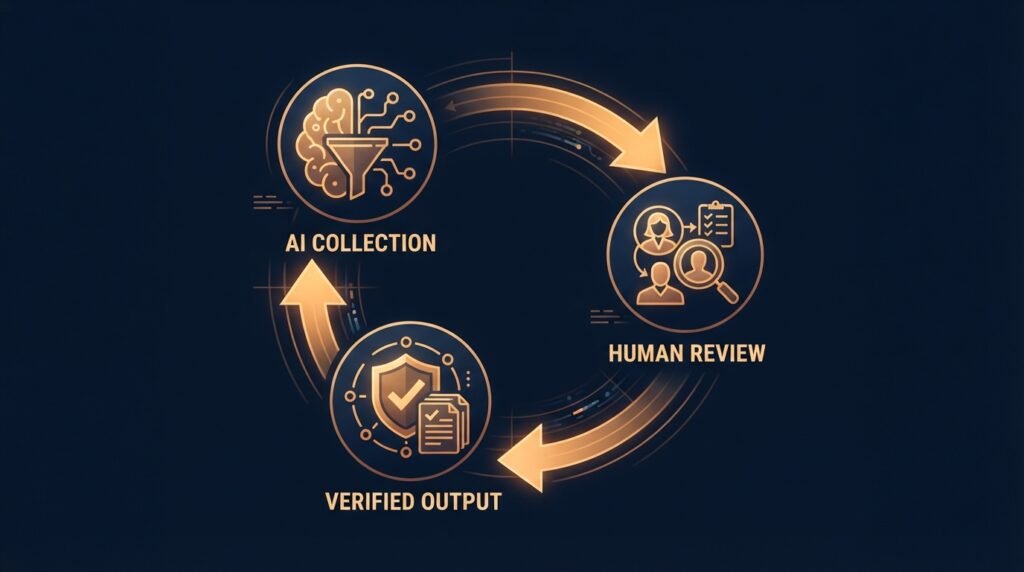
- Speed-scale mismatch. Some recent research on AI monitoring frames this directly: the volume of relevant signals can exceed what human analysts could ever process manually, which means automation has to handle the initial pass — but that only works if humans are repositioned as validators and decision-makers reviewing flagged material, not eliminated from the loop entirely.
What “human-in-the-loop” actually looks like in practice

Practitioners working on this problem have converged on a few concrete practices worth adopting, regardless of the specific tools involved:
- Iterative prompting and review, rather than accepting a single AI-generated output as final — treating the first pass as a draft to interrogate, not a conclusion to report.
- Maintaining a clear evidence trail for anything AI touched during an investigation, so findings can be traced back and re-verified rather than taken on faith.
- Positioning AI as a force multiplier for analytical capacity, not a delegation of judgment. Using AI to score, sort, or surface patterns across a large dataset is fundamentally different from letting AI decide what those patterns mean.
- Escalation-based review, where AI handles the initial triage pass across high-volume sources, and human analysts focus their limited attention specifically on what gets flagged as worth a closer look — rather than trying to manually scan everything themselves.
Why this matters beyond the OSINT field itself
This same tension — AI’s genuine efficiency advantage set against its genuine reliability gaps — shows up anywhere automated systems inform consequential decisions, not just formal intelligence work. A business using AI-assisted tools to vet a vendor, monitor for brand impersonation, or research a potential hire is running a smaller-scale version of the exact same trade-off: faster, broader coverage, paired with a real risk of confidently wrong output if nobody with context is reviewing what comes out the other end.
The bottom line
AI hasn’t made human analysts optional in OSINT work — it’s changed what they spend their time on. The realistic version of this field in 2026 isn’t “AI versus analysts,” it’s AI handling the collection and triage that used to consume most of an analyst’s time, freeing up human judgment for the parts that actually require it: context, verification, and the ethical calls no model can be held accountable for. Treating AI output as a finished answer, rather than a lead that still needs a human to check, is where investigations — and the businesses relying on them — get into trouble.
This same theme runs through our earlier posts on how AI is automating early-stage OSINT investigations and deepfakes and verification for investigators — both worth a read if this trade-off between speed and judgment is relevant to your work.
Leave a Reply