If you search for “SOC analyst salary,” you’ll find numbers ranging from about $50,000 to well over $150,000, and all of them are technically correct. That’s because “SOC analyst” isn’t one job. At one company it’s a monitoring seat that’s a step above help desk work; at another it’s a role that runs live incident response at 3 a.m. The number that matters depends on which tier you’re in, where you work, and what kind of employer is paying.
Here’s what the 2026 data actually shows, with an honest note about why the sources disagree.
Why every salary figure you’ll find looks different
Salary sites, recruiter guides, and job boards report very different figures for the same title, for a few consistent reasons: some average all tiers together, some rely on small self-reported samples, and some only count postings from well-paying metros. One recruiting firm that compared several public salary sites against Bureau of Labor Statistics data in September 2026 found that a generic “SOC analyst average” of around $78,000 was misleading precisely because it blends a new Tier 1 hire with an experienced Tier 3 threat hunter. The more useful approach is to look at pay by tier, then adjust for location.
Salary by tier
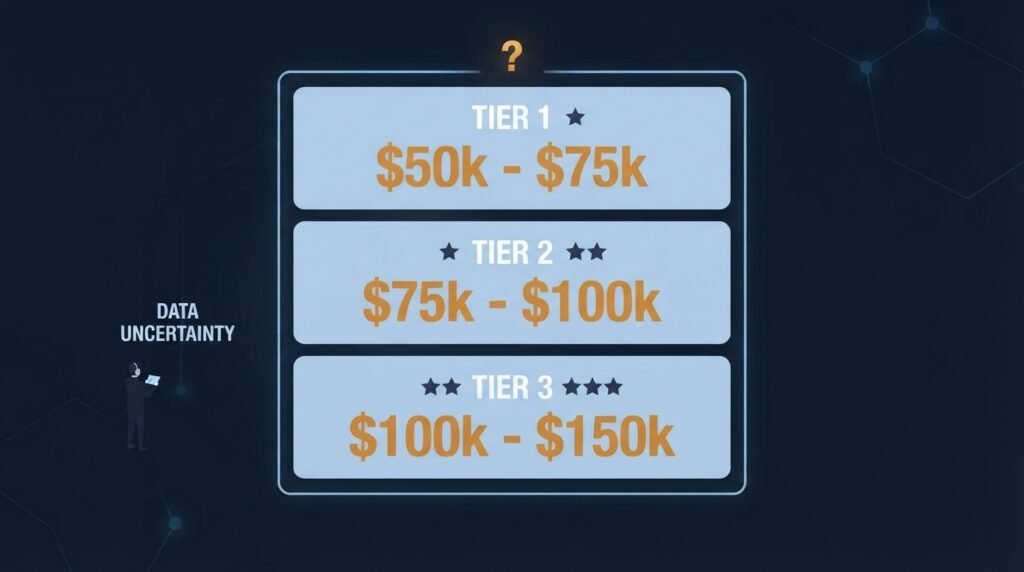
Because sources vary, these are ranges rather than single numbers. The recruiter-benchmarked figures below are the most conservative, and other 2026 guides report somewhat higher bands:
- Tier 1 (alert triage): roughly $50,000 to $80,000 in the most conservative benchmarks, with a typical new hire base around $58,000. Other 2026 guides report $70,000 to $95,000 for the same tier, usually reflecting higher-cost metros or employers that hire more experienced people into the role.
- Tier 2 (incident investigation): most commonly $80,000 to $110,000, with some guides putting the range higher at $95,000 to $130,000.
- Tier 3 (threat hunting and detection engineering): roughly $90,000 to $145,000 on the conservative end, and $130,000 to $175,000 or more in the higher-reporting guides.
- SOC manager or lead: commonly $140,000 to $180,000.
The one point every source agrees on: the jump from Tier 1 to Tier 2 is the biggest single pay step in the path, because the skill gap between monitoring alerts and independently running an investigation is large.
What moves the number
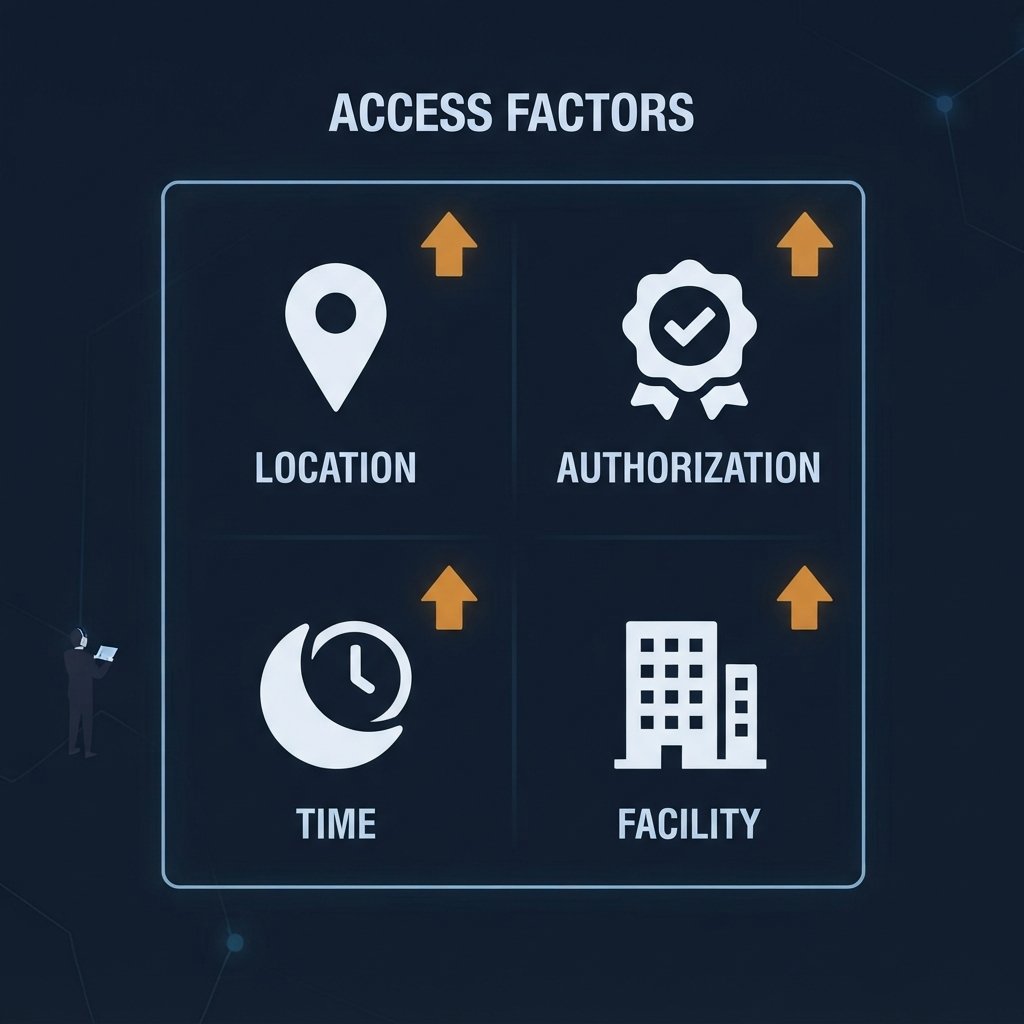
- Location. Metro medians can shift a national salary band substantially. In one Bureau of Labor Statistics-based adjustment, San Jose runs about 36% above the national baseline, turning an $80,000 to $110,000 Tier 2 band into roughly $109,000 to $150,000.
- Security clearance. Cleared roles pay a premium. One 2026 analysis put a cleared TS/SCI Tier 3 analyst at around $165,000, compared with roughly $135,000 for the same tier in the commercial sector.
- Shift pattern. Overnight and weekend coverage often carries a differential, and some employers list a bonus or shift premium separately from base pay. Reported average bonuses are modest, on the order of 4% of base.
- Industry. Finance, defense, and healthcare tend to pay more than general commercial employers, consistent with the pattern in our post on the highest-paying cybersecurity jobs.
- Certifications. They help, but most guides agree tier, region, clearance, and shift matter more than any single credential. A typical progression pairs Security+ early, CySA+ around Tier 2, and CISSP or a GIAC certification as you approach senior work.
How fast the pay actually grows
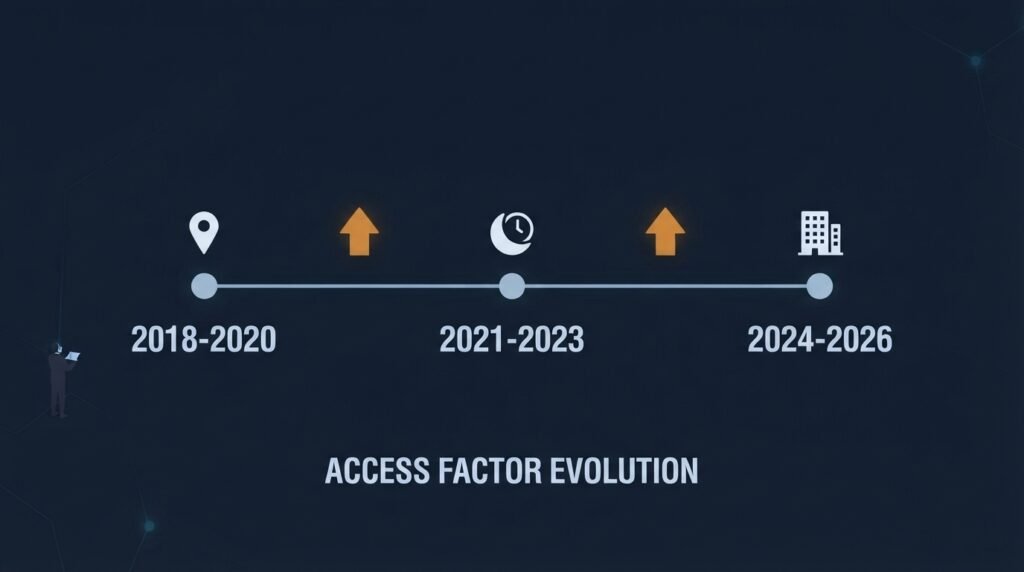
A commonly cited rule of thumb is two to three years at each tier, but the fastest raises usually come from changing employers rather than waiting for an internal promotion. Multiple 2026 guides note that analysts who moved companies around the Tier 1 to Tier 2 boundary, often after 18 to 24 months, tended to land the biggest jumps, in part because a new employer had an open Tier 2 seat with real incident response work that the old team’s structure couldn’t offer.
One illustrative progression from a 2026 career guide: roughly $55,000 at Tier 1, $70,000 to $85,000 across the move into Tier 2, around $115,000 for a senior analyst or Tier 3, and $140,000 for a SOC lead, with security architect or director roles reaching $160,000 or more after seven years or so. Treat that as a plausible path rather than a guarantee.
What AI is changing about the pay curve
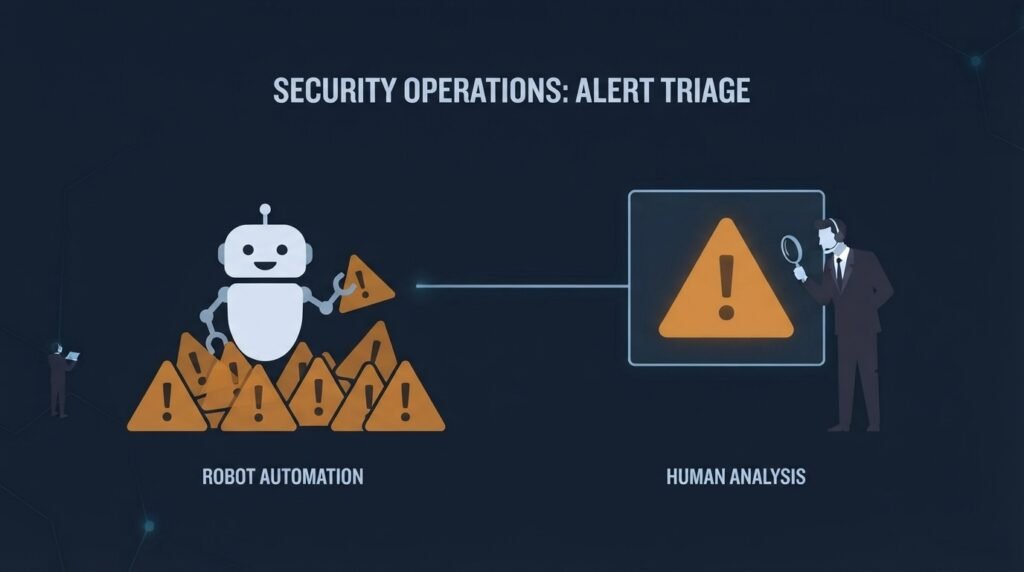
Several 2026 salary guides make the same observation: as automation and AI handle more of the initial alert triage, the entry-level role is starting to shift. Tier 1 work increasingly involves validating automated findings and keeping automated workflows running, rather than manually clicking through every alert. Some analysts see this flattening the tiers, with the Tier 1 job becoming a Tier 2 job sooner, and detection engineering roles at Tier 3 growing fastest. The practical takeaway for anyone entering the field is to build skills in detection engineering, scripting, and automation early, since those are the skills that hold their value as the routine work is automated.
Is the pay worth the job?
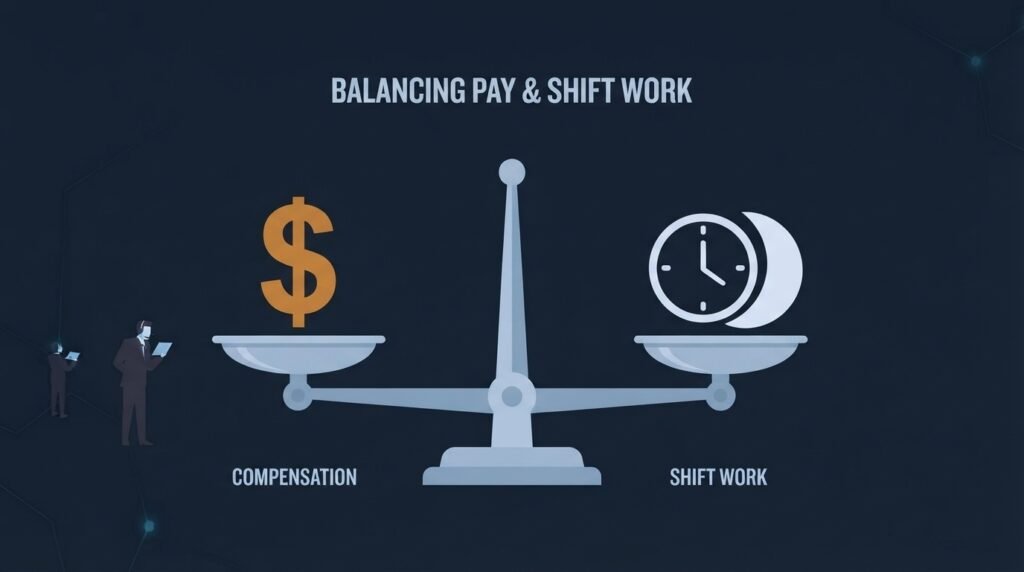
Pay is only half of the decision. As covered in our post on SOC analyst burnout statistics, roughly seven in ten analysts report burnout, and Tier 1 turnover is among the highest in IT. Replacing a departing analyst reportedly costs 50 to 75% of their annual salary, which is one reason employers are increasingly willing to pay for retention. If you’re weighing this role, it’s worth asking about alert volume, tooling, shift schedule, and promotion path in interviews as seriously as you’d ask about base pay.
The bottom line
A SOC analyst salary in 2026 is best read as a ladder rather than a single number: roughly $50,000 to $95,000 at Tier 1, $80,000 to $130,000 at Tier 2, and $90,000 to over $170,000 at Tier 3, depending on which source you trust and which market you’re in. The Tier 1 to Tier 2 move is the biggest raise in the path, and location, clearance, and shift pattern often matter more than any certification.
If you’re planning the path, our posts on the highest-paying cybersecurity jobs in 2026, Security+ vs. CEH, and building a cybersecurity portfolio with no experience are good next reads, and SOC analyst burnout statistics is worth reading before you commit to a Tier 1 seat.
Leave a Reply