Every SOC runs on a SIEM — the platform that ingests logs from across an organization’s systems and turns them into alerts an analyst can actually act on. Three platforms dominate most enterprise shortlists: Splunk, Microsoft Sentinel, and IBM QRadar. All three do the core job, but they’ve evolved into genuinely different tools with different economics, different ideal environments, and different career implications if you’re the one who has to learn them.
Here’s how they actually compare in 2026, without the vendor marketing.
The quick comparison
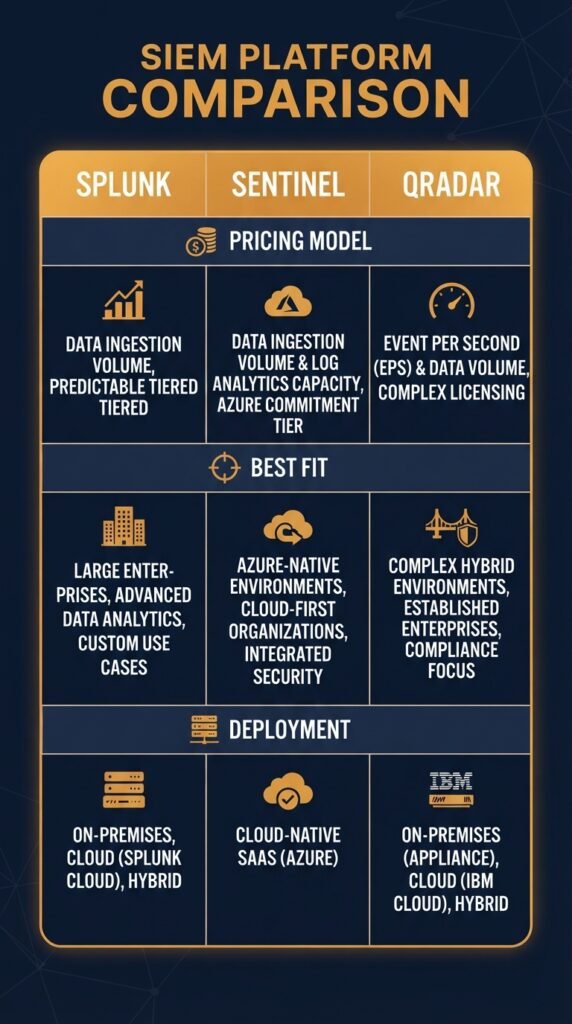
- Splunk — the most capable platform for detection engineering and threat hunting, priced by data ingestion volume, and increasingly expensive at scale. Now a Cisco company, fully integrated as of late 2025 following Cisco’s $28 billion acquisition.
- Microsoft Sentinel — cloud-native, consumption-priced, and the clear economic winner for organizations already deep in the Microsoft ecosystem, since Microsoft 365 and Entra ID log sources ingest free.
- IBM QRadar — the veteran, priced by events-per-second rather than data volume, known for stable, accurate out-of-the-box detections and the strongest compliance reporting of the three, now packaged as the QRadar Suite.
Splunk: unmatched capability, at a real cost
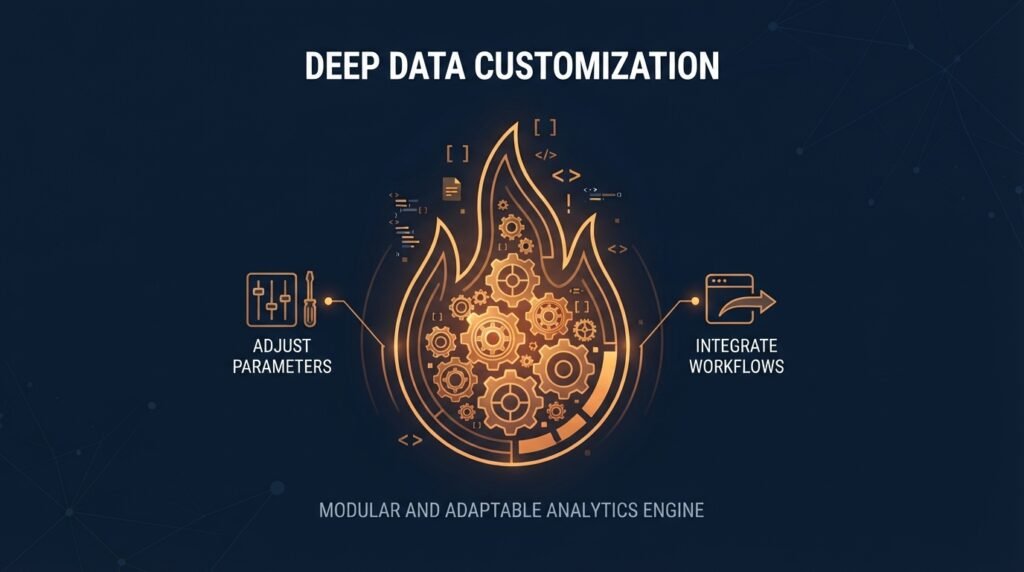
Splunk remains the gold standard for organizations that need real flexibility — deep customization, advanced analytics, and a detection engineering workflow that outpaces both competitors. That capability comes at a price, literally: Splunk runs $150 or more per GB per day, and a 100 GB/day enterprise deployment can run $500,000 to $800,000 a year once infrastructure, implementation, and training are factored in. That cost has real consequences — a majority of surveyed Splunk customers are reportedly evaluating alternatives specifically because of ingestion pricing, even while acknowledging the platform’s technical strength. Volume discounts of 20–35% are available for multi-year commitments, and enterprise buyers routinely negotiate well below list price, but the underlying economics still scale with your data volume in a way the other two platforms don’t quite match.
Best for: organizations with dedicated detection engineering resources, complex custom use cases, and the budget to match Splunk’s capability.
Microsoft Sentinel: the clear winner for Microsoft-heavy environments
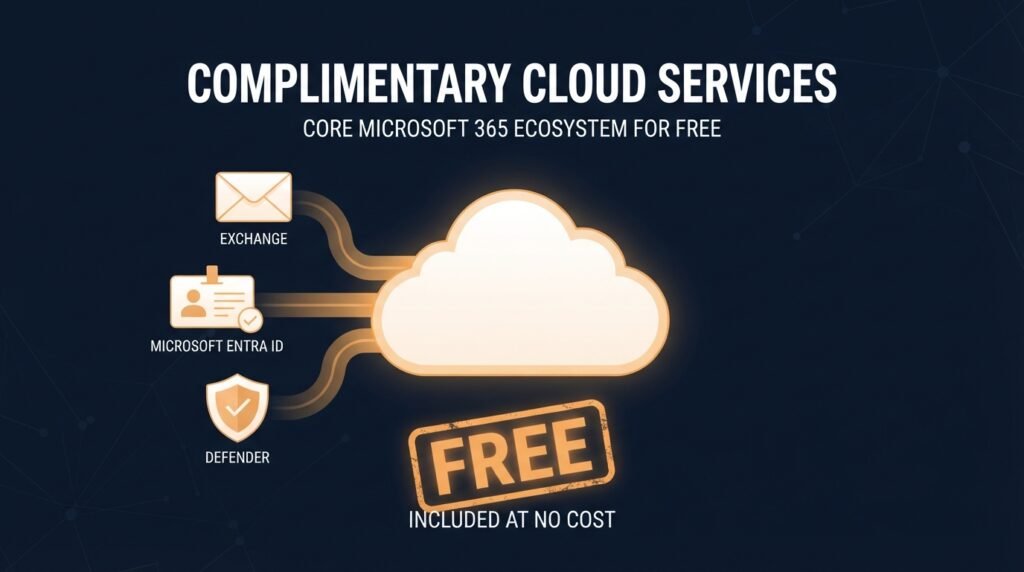
Sentinel’s pricing is genuinely different: consumption-based at roughly $4.30–$5.22 per GB on pay-as-you-go plans, dropping meaningfully with committed-use tiers. The real advantage shows up for organizations already running Microsoft 365, Entra ID (formerly Azure AD), and Microsoft Defender — those log sources ingest largely free, and for a Microsoft-centric environment that can cover 40–60% of total log volume at no additional per-GB cost. Forrester research on organizations migrating to Sentinel from legacy SIEM platforms found a 234% ROI and 44% cost reduction, with payback in under six months — a striking number, though as with any vendor-commissioned study, worth treating as directional rather than universal.
Sentinel is technically cloud-agnostic and can ingest from AWS or Google Cloud, but costs climb quickly once you’re pulling in large volumes of non-Microsoft log sources, which is where its economic advantage narrows or disappears.
Best for: organizations already invested in the Microsoft security stack, teams prioritizing automation over deep customization, and anyone wanting the fastest current path to AI-assisted SOC workflows.
IBM QRadar: stable, structured, built for compliance
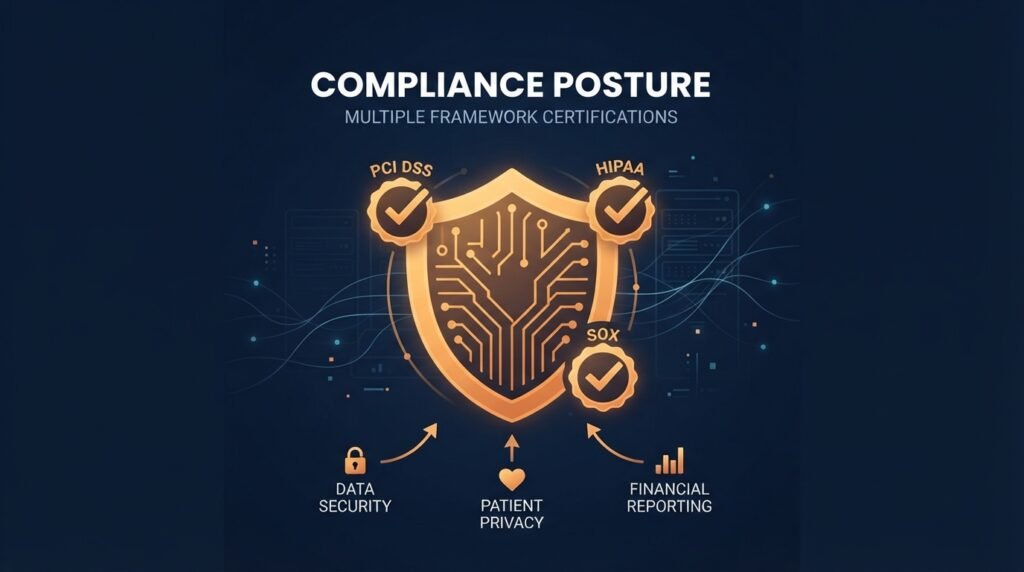
QRadar doesn’t have Splunk’s flashiness or Sentinel’s Microsoft-ecosystem pull, but it holds a genuinely different kind of advantage: the most mature compliance reporting of the three, with modules mapping directly to frameworks like PCI DSS, HIPAA, SOX, and NERC CIP. Pricing is structured around events-per-second rather than data volume, starting around $10,000 annually for 100 EPS — a model that can be considerably more cost-effective for organizations with high volumes of small, simple events like authentication logs, where per-GB pricing would otherwise add up quickly. QRadar also stands out for not depending on a query language the way Splunk (SPL) and Sentinel (KQL) do, which can lower the skill barrier for some SOC teams.
Best for: organizations with on-premises deployment requirements, regulated industries needing strong out-of-box compliance reporting, and vendor-neutral environments not tied to a specific cloud ecosystem.
The career angle: which one should you actually learn?
If you’re building skills rather than buying a platform, the calculus is a little different. Splunk’s query language, SPL, reportedly appears in roughly 78% of SOC-related job postings — a strong signal that Splunk proficiency remains broadly valuable on the job market even as organizations debate its pricing internally. That said, Sentinel’s rapid growth, driven largely by cost-conscious Microsoft-centric organizations, means KQL (Sentinel’s query language) is an increasingly practical second skill, especially if you’re targeting roles at organizations already built around Microsoft’s ecosystem. Learning any of the three builds genuinely transferable analytical skills — the specific platform matters less early on than understanding how SIEM logic, alert tuning, and detection engineering actually work.
What’s actually changed heading into 2026
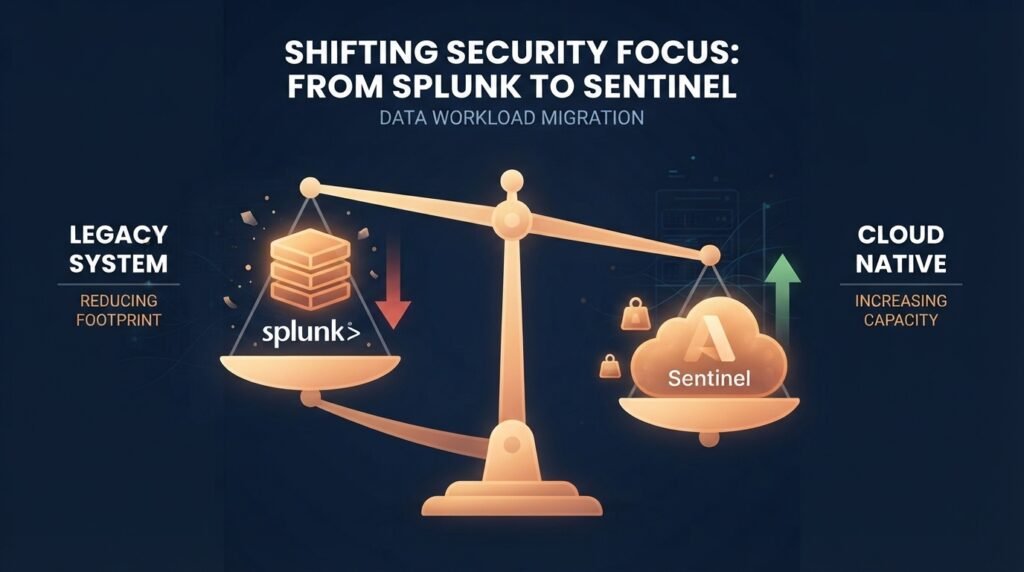
A few real shifts are reshaping this market, not just incremental feature updates:
- Cisco’s acquisition of Splunk has fully closed, integrating Splunk’s log analytics with Cisco’s network visibility — a genuinely deeper platform, but one still carrying Splunk’s ingestion-based cost structure.
- Sentinel is the fastest-growing SIEM platform in the market, driven almost entirely by the economics of free Microsoft log ingestion rather than a single standout technical feature.
- QRadar has shifted its strategic packaging toward the QRadar Suite on Cloud Pak, adapting a platform built for the 2010s compliance-driven enterprise toward a more cloud-native model, with mixed results depending on who you ask.
- The average time to detect a breach still sits around 258 days, according to IBM’s own 2025 Cost of a Data Breach research — a reminder that platform choice matters less than whether the logs reaching any of these systems are actually the right ones, tuned well, and reviewed by a team that isn’t drowning in noise.
The bottom line
There’s no universal “best” SIEM among these three — there’s a best fit for your specific environment, budget, and team. Splunk wins on raw capability if you can afford the ingestion costs and have the expertise to use its flexibility well. Sentinel wins decisively on economics if you’re already a Microsoft shop. QRadar wins for compliance-heavy, on-premises, or vendor-neutral environments that value stability and structured out-of-box detection over customization. The platform that actually protects an organization best is still the one a real team can operate without drowning in untuned alerts — a point worth remembering after reading our post on SOC analyst burnout, since the wrong platform-to-team fit is one of the quieter contributors to that exact problem.
If you’re mapping this onto a career decision rather than a purchasing one, our posts on the highest-paying cybersecurity jobs in 2026 and building a cybersecurity portfolio with no experience are good next stops — a documented SIEM project, using whichever platform you have free access to, is exactly the kind of hands-on evidence hiring managers say they want to see.
Leave a Reply