Not every data breach makes for a useful case study — some are too vague, too unconfirmed, or too routine to teach much. But the incident disclosed by McKesson, the largest pharmaceutical distributor in the United States, in late August 2026 is worth a closer look precisely because of what’s confirmed, what isn’t, and the gap between the two.
What Happened
McKesson discovered a cybersecurity incident on August 25, 2026. Three days later, it filed a disclosure with the SEC describing unauthorized access to third-party applications and data exfiltration. On August 29, the company narrowed the scope publicly, confirming the incident affected a subset of customers within its Oncology & Multispecialty and Medical-Surgical business units — two segments that together represent a meaningful slice of a company reporting over $400 billion in annual revenue.
Notably, McKesson filed under the SEC’s Regulation FD disclosure item rather than the item reserved for incidents determined to be material — a distinction that matters, since it signals the company had not yet concluded the breach rose to that threshold.
The Claim vs. the Confirmation
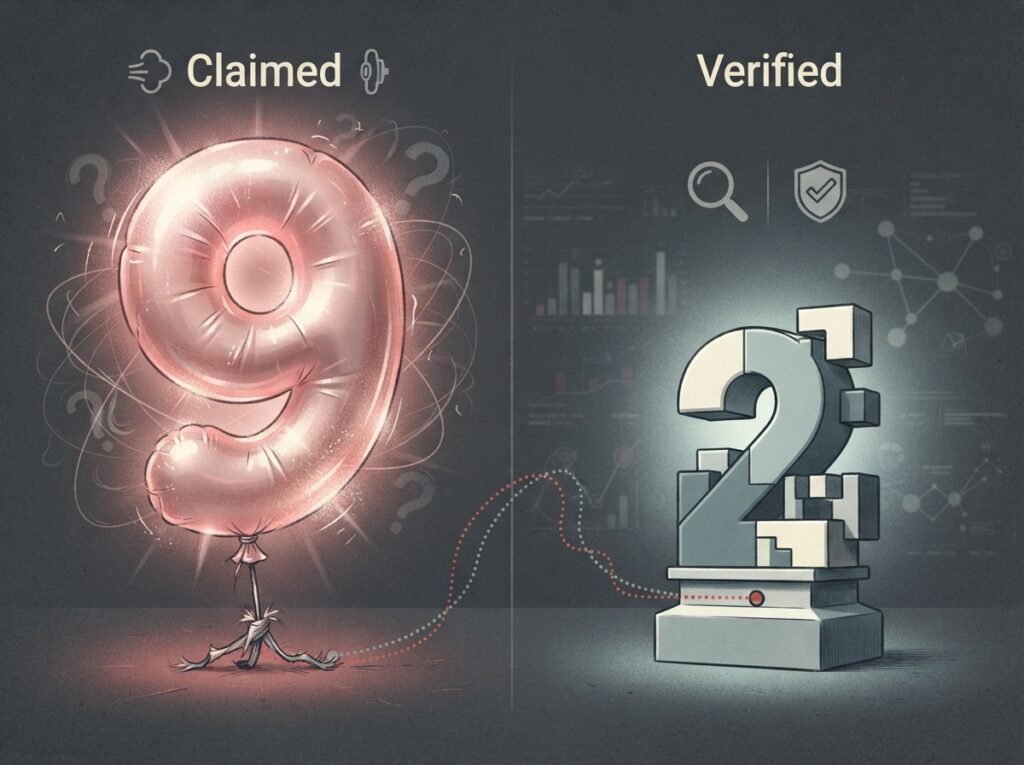
This is where the story gets more interesting, and more instructive. The extortion group behind the attack, known as ShinyHunters, publicly claimed to have obtained 284 million patient records and demanded roughly $55 million to prevent publication. That’s a staggering number — but by the group’s own admission, it had not actually analyzed the stolen data, did not know how many unique individuals were represented in it, and was counting raw database rows rather than people. The group’s stated deadline passed on September 1 with nothing published.
McKesson, for its part, has not confirmed a scale, a data category, or an attack vector. Everything specific about what was allegedly taken — names, dates of birth, Social Security numbers, medical record numbers, diagnoses, patient notes — comes from the attacker’s own claims, not from the company.
How the Attack Allegedly Happened
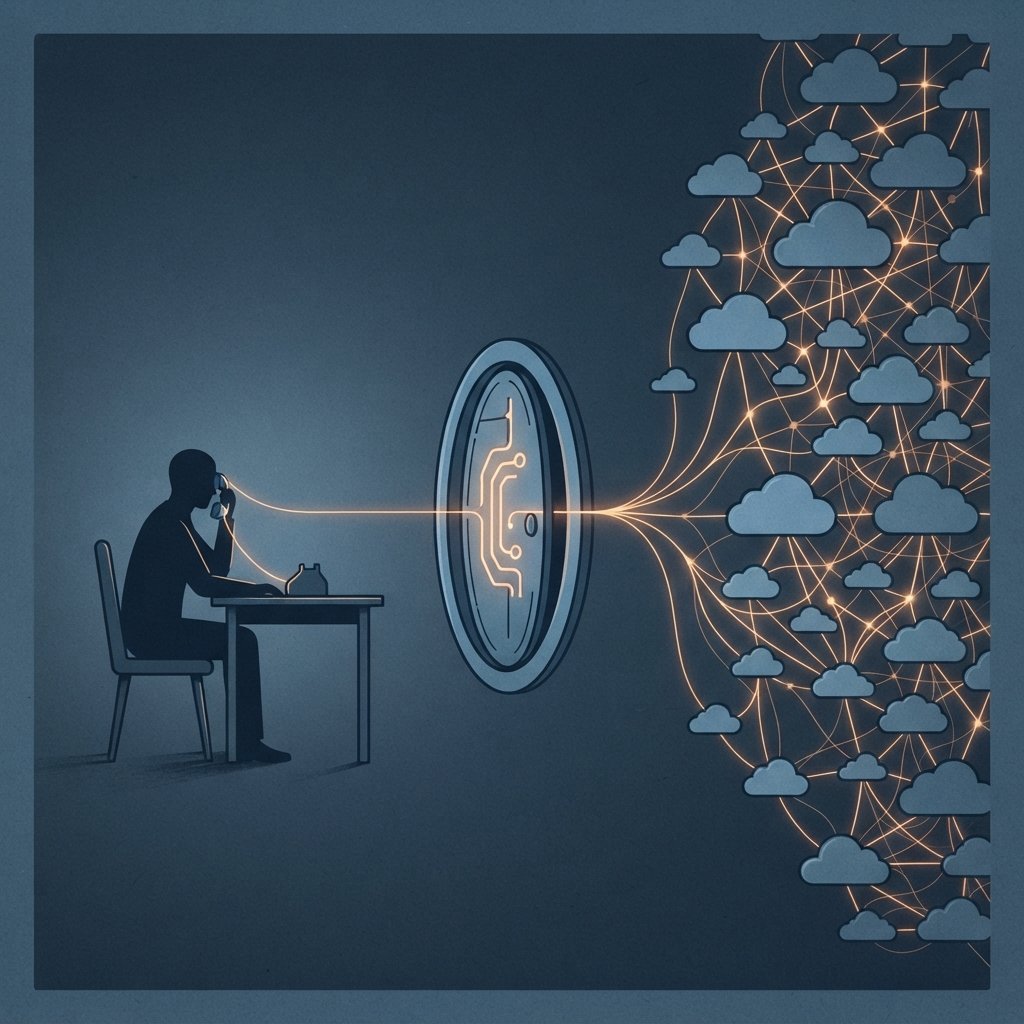
According to the attacker’s own account — again, unconfirmed by McKesson — the group used voice phishing against employees to take over single sign-on accounts, then used that access to reach connected cloud data platforms. If accurate, this fits a pattern that’s defined much of 2026: attackers increasingly aren’t exploiting software vulnerabilities at all. They’re calling an employee, talking their way into a legitimate login, and walking through the front door with valid credentials.
That distinction matters enormously for defenders. A firewall doesn’t flag a real login using real credentials. Neither does most endpoint protection. This kind of intrusion doesn’t look like an attack while it’s happening — it looks like an employee doing their job.
Why This Case Is Worth Studying
It’s a lesson in claim inflation. A 284-million-record headline spreads fast and sticks in public memory, even after the group that made the claim admits it can’t say how many real people are represented. Treating attacker-supplied numbers as fact — before any independent verification — is one of the most common mistakes in how breaches get reported and discussed.
It highlights the third-party application problem. McKesson’s confirmed statement is narrower than the headlines suggest: unauthorized access to third-party applications. Increasingly, sensitive data lives not in the systems a company built and hardened itself, but in the SaaS platforms, cloud tools, and connected applications it configured but doesn’t directly operate. That distinction changes where defensive investment actually needs to go.
It shows how identity, not infrastructure, is the modern attack surface. If the attacker’s account of voice-phishing employees into single sign-on access holds up, this breach didn’t require finding a technical flaw at all. It required finding one person, on one day, willing to hand over a code or a credential on the phone.
The Wider Pattern This Incident Sits Inside
McKesson wasn’t an isolated event. It capped off a month in which several other major organizations — including a medical device maker and a genomics testing lab — disclosed incidents that, in the majority of cases, traced back to data sitting on infrastructure the breached company didn’t directly operate: third-party applications, vendor-hosted cloud platforms, and outsourced data centers. In most of those cases, the organizations involved still hadn’t named the specific platform or vendor at the time of disclosure.
That’s a meaningful shift in how breaches happen. It’s no longer just about hardening your own network perimeter — it’s about knowing exactly where your sensitive data lives across every vendor and connected application you use, and whether that data is protected in a form that’s useless to whoever takes it.
What This Means for Security Teams
A few practical takeaways stand out from this incident:
- Voice phishing deserves the same seriousness as email phishing training. If a single phone call can lead to a single sign-on compromise, employee training and verification procedures need to explicitly cover this vector, not just suspicious emails and links.
- Know where your data actually sits, not just where policy says it should. A data inventory that only covers systems a company directly operates misses exactly the kind of third-party application exposure that defined this breach.
- Treat attacker claims with skepticism until independently verified. Headline record counts from extortion groups are, by design, meant to maximize pressure and press coverage. The responsible reaction is caution, not amplification.
- Data-layer protection matters when perimeter defenses don’t catch a valid login. No access control flags a legitimate credential being used correctly. The identifiers themselves — Social Security numbers, medical record numbers — need protection that survives the moment the perimeter is crossed.
The Bottom Line
The McKesson incident is still unfolding, and much of what’s been reported remains genuinely unverified. But that uncertainty is itself the lesson. In 2026, the accurate picture of a breach rarely arrives on day one — it arrives weeks or months later, in a state filing or a federal disclosure, long after the headline number has already shaped public perception. For anyone following breach news — or defending against the next one — the discipline of separating “confirmed” from “claimed” isn’t a minor footnote. It’s the whole game.
This post is part of an ongoing series covering current cybersecurity incidents and what they teach defenders. Details on this incident may be updated as McKesson’s investigation and any regulatory filings progress.
Leave a Reply