
Fake online stores used to be easy to spot — broken English, garish design, prices that seemed too good to be true. Not anymore. Today’s scam storefronts use the same templates as legitimate brands, run real (stolen) product photography, and even reply to customer service messages. The tells have gotten smaller, but they’re still there if you know where to look.
Here’s the checklist we use before buying from any store we haven’t purchased from before.
1. Check How Old the Domain Actually Is
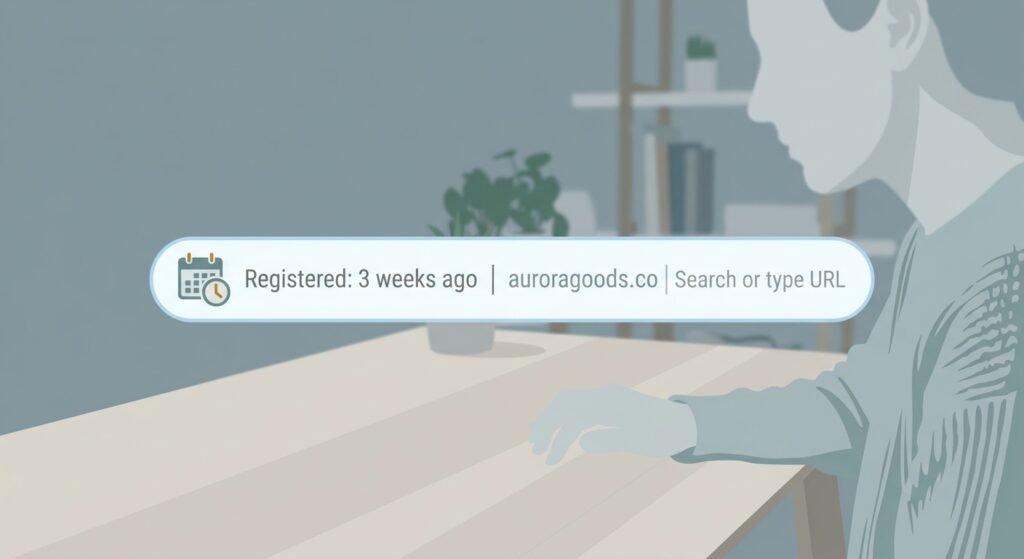
Scam stores rarely last long — they get flagged, banned from ad platforms, or simply abandoned once the money’s been collected. Most are registered within the last few weeks or months before you find them.
How to check: run the domain through a free WHOIS lookup tool. A domain registered a few weeks ago selling “established since 2010” branding is an immediate red flag.
2. Look for a Real, Verifiable Physical Address
Legitimate retailers, even small ones, will list a real business address — often required for tax and consumer protection reasons in most countries. Scam stores either omit this entirely or use a vague, unverifiable location.
How to check: copy the listed address into a map search. If it resolves to a residential building with no relation to the business, an empty lot, or doesn’t exist at all, that’s a strong signal.
3. Scrutinize the “Too Good to Be True” Discount
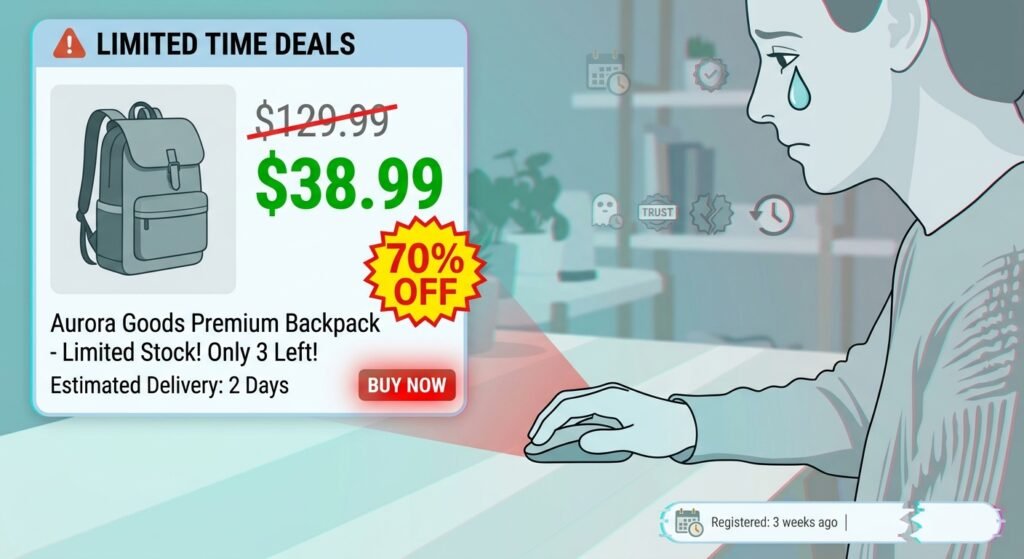
A 70-90% discount on a popular, brand-name product is one of the oldest tricks in the book, and it still works because the deal genuinely looks exciting. Scammers rely on the discount overriding your instinct to double-check.
How to check: search the exact product name plus the brand on a couple of established retailers. If nobody else is offering anywhere close to that price, treat the listing as bait, not a bargain.
4. Read the Reviews — But Verify Where They Live
Fake stores often embed glowing five-star reviews directly on their own product pages, with no way to verify they’re real. Some go further and generate fake “verified buyer” badges that mean nothing outside their own site.
How to check: search the store name plus the word “reviews” or “scam” on a separate search engine, and check independent platforms (Trustpilot, Better Business Bureau, or your country’s consumer protection site) rather than trusting testimonials hosted on the store itself.
5. Inspect the Checkout and Payment Options
This is the single most important check, because it’s where the actual financial risk sits. Legitimate stores offer standard, traceable payment methods — major credit cards, PayPal, or well-known buy-now-pay-later services — because those platforms offer buyer protection and dispute processes.
Red flags to watch for:
- No padlock/HTTPS on the checkout page.
- Payment only accepted via direct bank transfer, cryptocurrency, or gift cards — methods that are difficult or impossible to reverse.
- A checkout that redirects to an unrelated or misspelled domain right before you enter card details.
6. Check the Contact and Return Policy Pages Closely
Real stores have specific, actionable return policies — timeframes, conditions, and a real process. Scam stores tend to have vague, copy-pasted policy text, or a “contact us” page that only offers a generic contact form with no email, phone number, or response time.
How to check: try sending an actual question through their contact form or listed email before buying. A store that never responds, or responds with clearly templated/generic replies, is a warning sign worth taking seriously.
7. Look Closely at the Product Photography
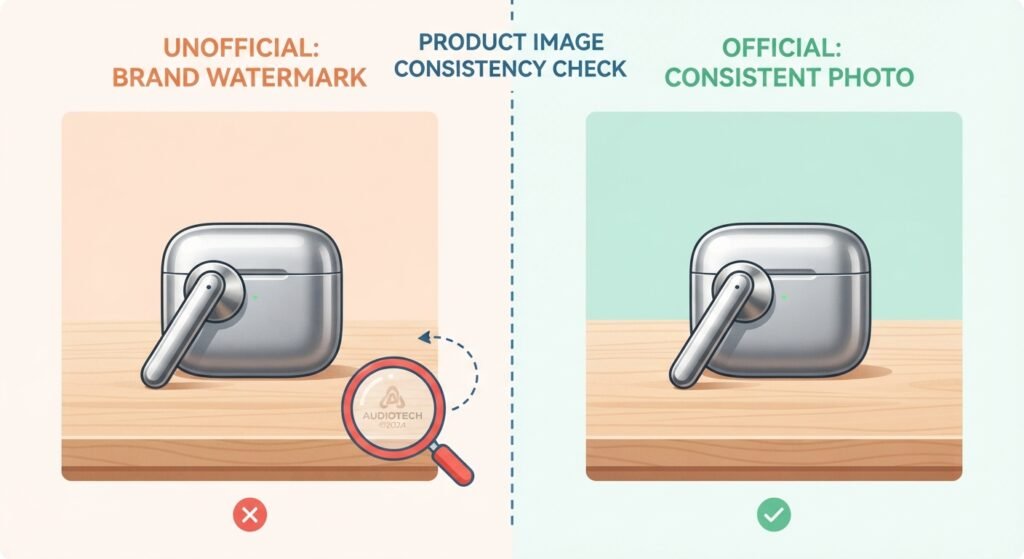
Scam stores frequently steal product images from the actual manufacturer or from other retailers. Watch for inconsistent photo styles across a single product listing — different lighting, different backgrounds, or a stray watermark from an unrelated website.
How to check: right-click a product photo and run a reverse image search. If the same image is scattered across dozens of unrelated, unfamiliar store domains, you’re very likely looking at a coordinated pattern of copy-paste scam sites.
The One Habit That Catches Almost All of These
If you only adopt one habit from this list, make it this: before entering any payment details on an unfamiliar store, open a new tab and search “[store name] + reviews” or “[store name] + scam.” This single step surfaces most of the red flags above in under 30 seconds, because other people who got burned have almost certainly already posted about it.
Scam stores are optimized to look convincing for the 10 seconds it takes to hit “buy.” They’re rarely built to withstand even one extra minute of scrutiny.
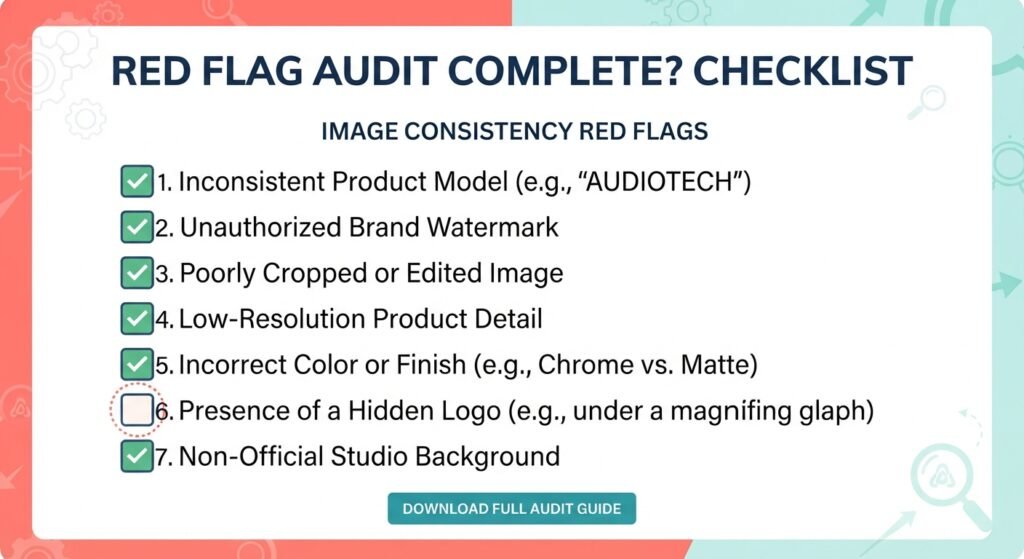
Get the printable version: Download our free “Is This Store Real?” checklist — a one-page reference you can run through in under a minute before any unfamiliar online purchase. [Download it here →]
Related reading: 10 Real Attacks a SOC Analyst Sees Every Single Day — many of the same social-engineering tactics behind fake stores show up in phishing attacks against businesses too.
Leave a Reply