
Two candidates can apply for the same junior security role with nearly identical resumes — same certification, same bootcamp, same lack of formal job history — and get very different responses. The difference usually isn’t talent. It’s that one of them can point to something real: a documented home lab, a written-up investigation, a project a hiring manager can actually open and evaluate. In a field built on evidence rather than claims, a portfolio is exactly that: proof you can do the work, not just that you’ve read about it.
Here’s how to build one from zero, using the same approach current hiring guidance keeps converging on.
Why a portfolio matters more in this field than most
Security teams are professionally skeptical — evaluating evidence rather than trusting claims is literally the job. That skepticism extends to hiring: a resume that says “understands network security” is a claim, while a documented packet-capture analysis showing you actually found and explained something suspicious is evidence. A well-built portfolio demonstrates the things a certification alone can’t: hands-on tool use, clear technical writing, and the judgment to prioritize what actually matters in a finding — all of which are exactly what hiring managers say they’re looking for from candidates without traditional experience.
Start with a home lab, but keep it small
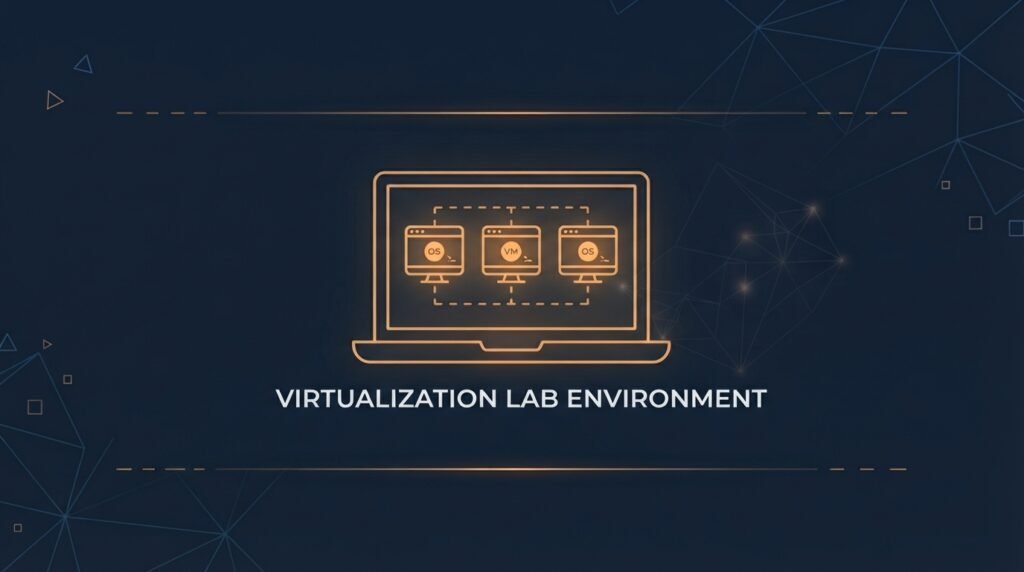
A home lab is where most of this starts, and it’s more accessible than it sounds — you don’t need dedicated hardware to begin. Running two or three virtual machines on your existing laptop is enough to start, and the specific goal should be narrower than “learn everything”: pick one focus — detection and log analysis, safe vulnerability testing, or secure configuration — rather than collecting ten different tools you never finish learning. A small, finished lab that taught you something specific beats a sprawling one that didn’t.
Five projects hiring managers consistently value
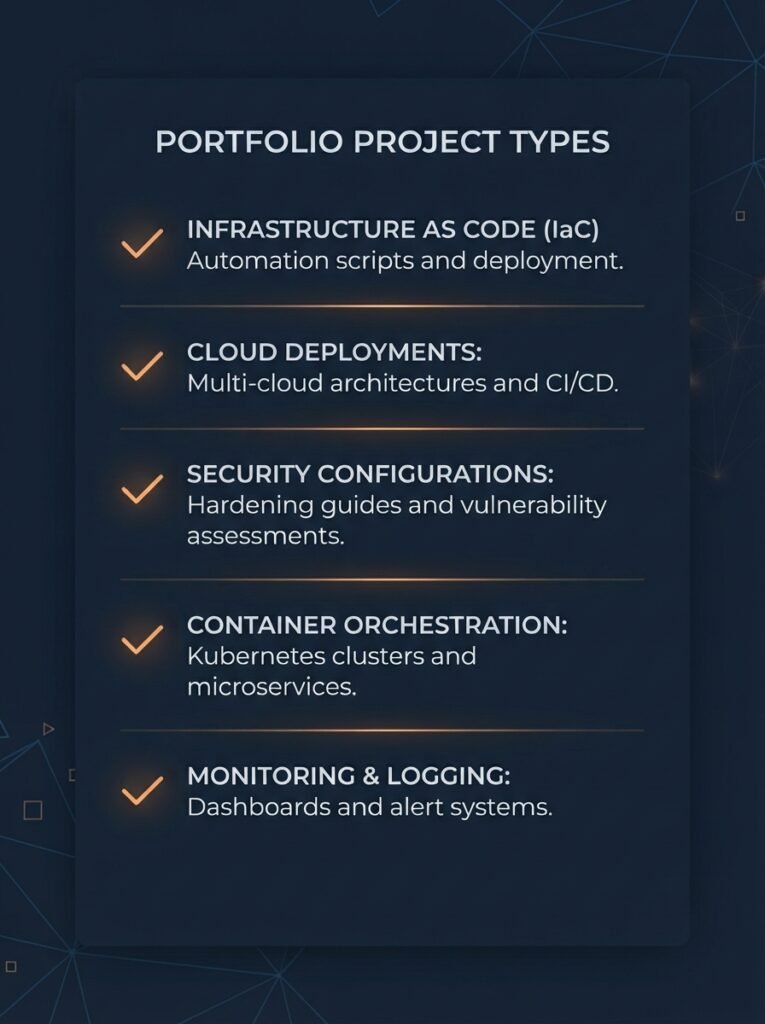
You don’t need to build all of these, but each one demonstrates a distinct, specific competency employers actually screen for:
- A home lab write-up. Document what you built, why, and what you learned — screenshots, configuration choices, and problems you ran into and solved.
- A vulnerability assessment report. Run a scan against a deliberately vulnerable practice target (never anything you don’t own or have explicit permission to test), and write it up the way a real assessment report reads: findings, severity, and recommended fixes.
- A packet-capture or log investigation. Capture legitimate network traffic in your lab, introduce one suspicious event yourself, and reconstruct what happened using a tool like Wireshark — documenting the protocols, DNS lookups, and reasoning that led you to flag it. This single project type shows up repeatedly in hiring guidance as one of the strongest things a no-experience candidate can produce.
- A small automation script. Even a simple Python tool that checks for a specific misconfiguration or parses logs for a pattern shows practical, applied skill beyond passing a multiple-choice exam.
- A security policy or incident write-up. Draft a short policy document, or write up a walkthrough of a CTF (capture-the-flag) challenge you completed — this demonstrates the communication skill that separates someone who can just run a tool from someone who can explain what it found and why it matters.
You don’t need to “hack” anything to build a real portfolio
This is worth stating plainly, because it’s a common misconception: you do not need to test systems you don’t own or haven’t been explicitly authorized to test, and you shouldn’t. A “no-hacking” portfolio — built entirely from your own lab, legal practice platforms, and CTF challenges designed for this purpose — demonstrates something employers actively value: good judgment, respect for boundaries, and ethical practice. That’s not a lesser portfolio. In a field where trust and scope-awareness matter enormously, it’s often exactly what a hiring manager wants to see.
Certifications still matter, but as one piece, not the whole picture
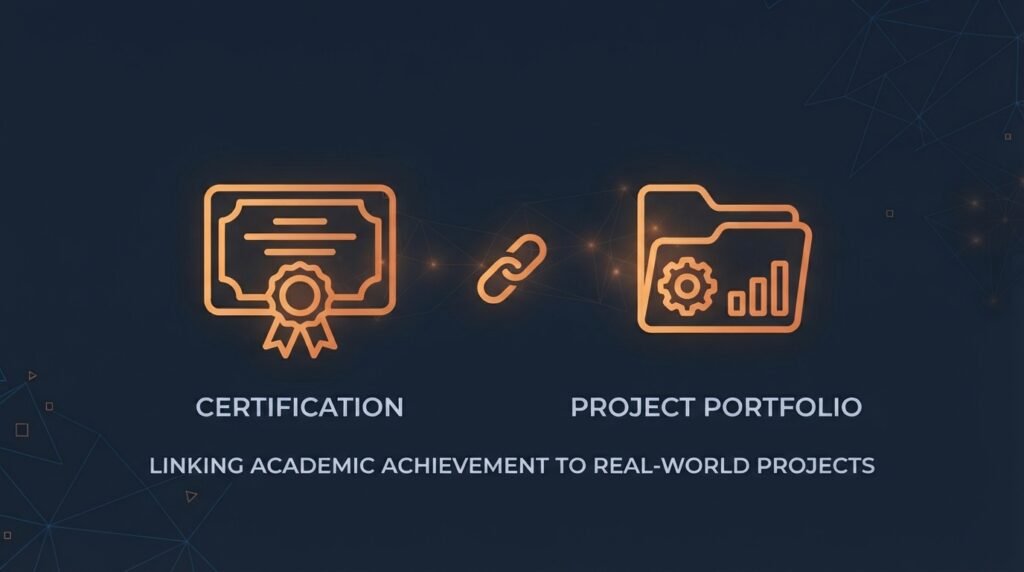
A foundational certification like CompTIA Security+ still plays a real role — it clears automated resume filters many companies use before a human ever looks at your application. But certifications alone increasingly aren’t enough to differentiate candidates, since so many applicants now hold the same one or two entry-level credentials. The portfolio is what separates otherwise-identical resumes, and current hiring guidance is consistent on this: pair one credible certification with visible, documented project work, rather than stacking multiple certifications instead of building anything real.
How to actually present it
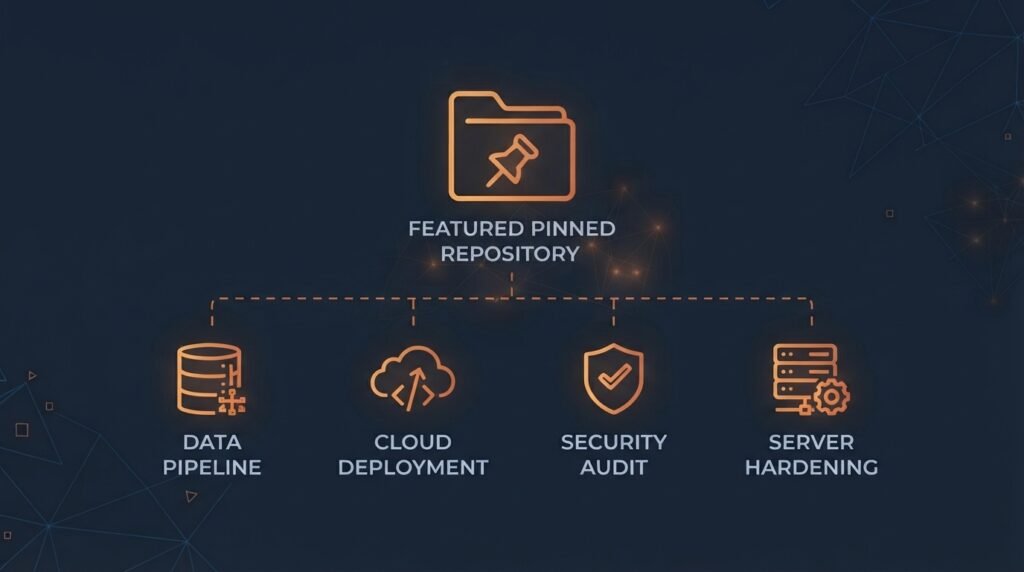
Presentation matters as much as the projects themselves, because hiring managers spend remarkably little time on an initial review — often well under a minute per portfolio:
- Lead with your three to five strongest projects, not everything you’ve ever touched. A pinned repository or portfolio page linking to your best work, each with one sentence explaining what it demonstrates, works better than a sprawling list of unfinished experiments.
- Use consistent formatting across projects. The same structure repeated project to project signals you can work in a process-driven environment, which matters more in security than almost any other technical field.
- Add visuals wherever you can. A simple diagram, a dashboard screenshot, or a flowchart communicates faster than paragraphs of explanation, and it’s often the first thing a reviewer actually looks at.
- Publish it somewhere visible — a GitHub profile, a simple personal site, or LinkedIn — and link it prominently from your resume and applications, since a portfolio nobody sees doesn’t do its job.
The bottom line
You don’t need a job to start proving you can do the work — you need a small, finished lab, two or three well-documented projects that show real reasoning rather than a copied tutorial, and a clear place to show them. Five complete, well-explained projects consistently beat twenty five incomplete ones, and a candidate who can walk an interviewer through why they made each decision in their lab will outperform someone reciting certification trivia almost every time.
If you’re mapping out where this kind of portfolio actually leads, our posts on the highest-paying cybersecurity jobs in 2026 and Security+ vs. CEH are good next stops for planning the path beyond your first role.
Leave a Reply