Open-source intelligence has always rested on one basic assumption: that a photo, a video, or a voice recording is what it appears to be. That assumption no longer holds by default. Deepfakes — synthetic audio, video, and images generated or altered by AI — have moved from a novelty to a routine tool in fraud, disinformation, and social engineering, and OSINT investigators are on the front line of trying to tell what’s real.
This isn’t a fringe concern anymore. Recent industry tracking puts synthetic-identity and deepfake-enabled fraud attempts at a steady, ongoing pace rather than an occasional incident, and OSINT professionals increasingly need to treat authenticity verification as a core part of every investigation, not a specialized side skill.
Why this matters specifically for OSINT work
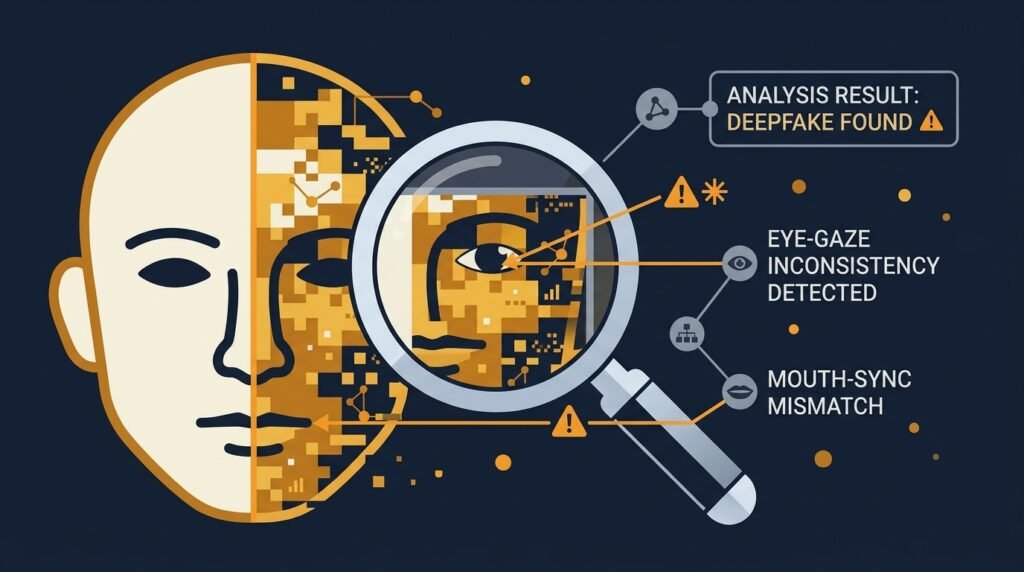
OSINT investigators build conclusions from publicly available material — social posts, videos, leaked audio, livestreams, conference footage. That material is exactly what deepfake generation tools consume and exactly what they’re now good at faking. A single misjudged piece of media can quietly corrupt an entire investigation: a fabricated video used to “confirm” a claim, a cloned voice used to impersonate a source, or a synthetic profile photo used to make a fake persona look credible.
Making this harder, the raw material for high-quality deepfakes is often supplied by OSINT itself. Public speeches, earnings calls, interviews, and social media clips provide more than enough audio and video for a convincing clone of someone’s face or voice, which means well-known or public-facing individuals are disproportionately exposed.
The main categories investigators should recognize
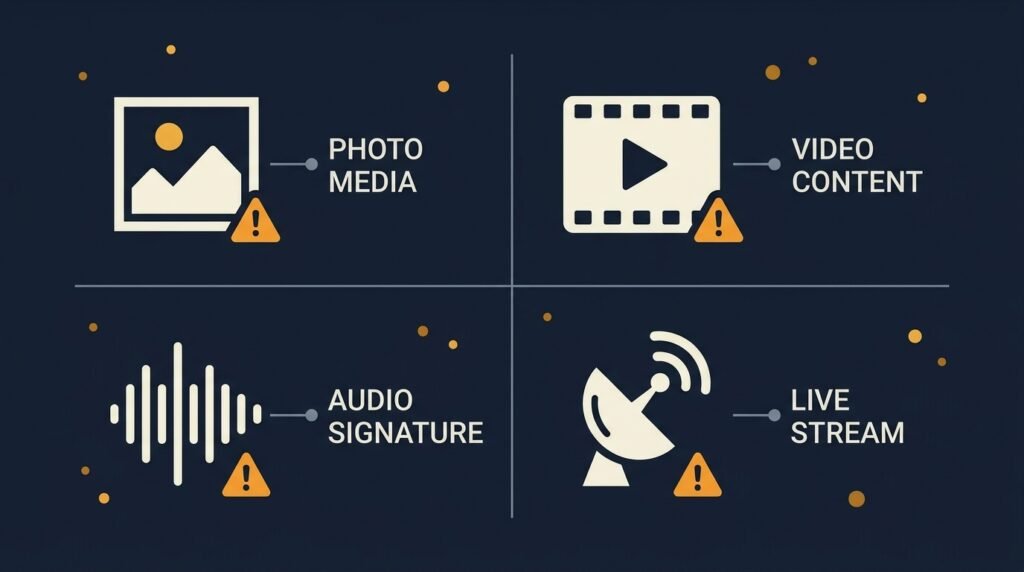
- Image deepfakes. Fabricated or altered still photos, including entirely synthetic faces used for fake profiles and sock-puppet accounts.
- Video deepfakes. Footage where a person’s face, expressions, or lip movements are generated or swapped, often built from existing public video of the real person.
- Voice deepfakes (audio cloning). Synthetic speech modeled on a real person’s voice, increasingly used in phone-based social engineering, sometimes called vishing.
- Live/real-time deepfakes. The most resource-intensive category — synthetic audio or video generated and adapted in real time during an actual call or video meeting. These are harder to produce convincingly, but they’re used in high-value, targeted operations, including impersonating executives on live video calls.
Detection techniques, and their real limitations
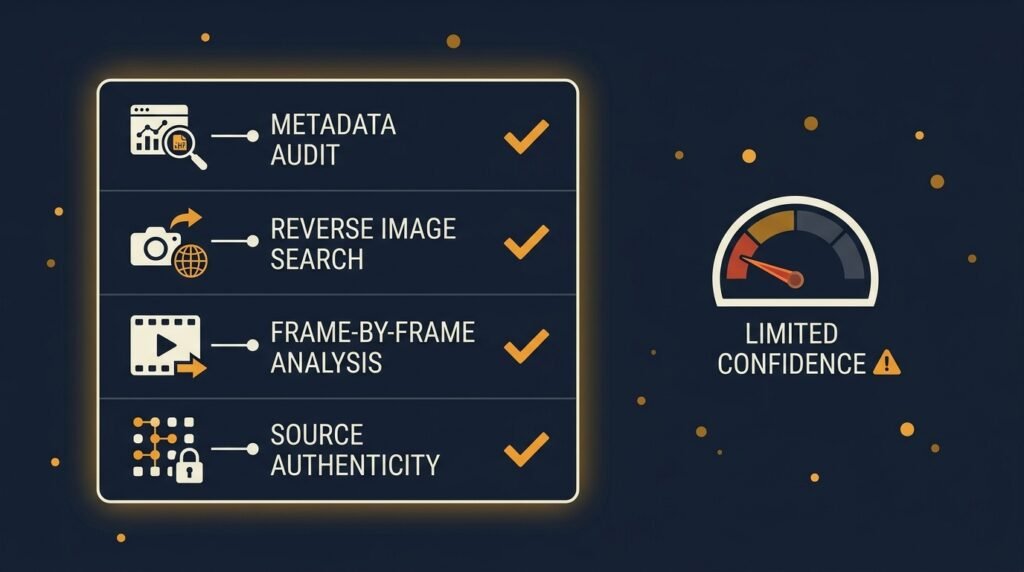
A working OSINT verification process today typically layers several techniques, because no single one is reliable on its own:
- Source triangulation. Before analyzing the media itself, check whether the same content, or the same claim, appears through independent, verifiable channels. A single unconfirmed clip should always be treated as provisional.
- Reverse image and video search. Checking whether a piece of media has appeared elsewhere, in a different context or dated earlier, catches a large share of recycled or mislabeled content — which is still far more common than a fully synthetic fake.
- Metadata review. Examining a file’s metadata can reveal inconsistencies with its claimed origin, though metadata is easy to strip or fabricate and should never be treated as proof on its own.
- Visual and audio artifact review. Unnatural blinking, inconsistent lighting or reflections, mismatched lip movement, or robotic cadence in speech can be signs of synthetic media — but these tells are shrinking fast as generation models improve, and relying on them alone is an increasingly weak strategy.
- Automated detection tools. Dedicated deepfake detection software can flag likely synthetic media faster than manual review, but detection is inherently reactive: tools are trained on known generation methods, and newer techniques routinely slip past classifiers built for older ones.
The honest takeaway for any investigator: treat detection tools and visual tells as one input among several, not a verdict. The generation side of this technology is improving faster than the detection side, and that gap isn’t expected to close.
Where this becomes a business risk, not just a research problem
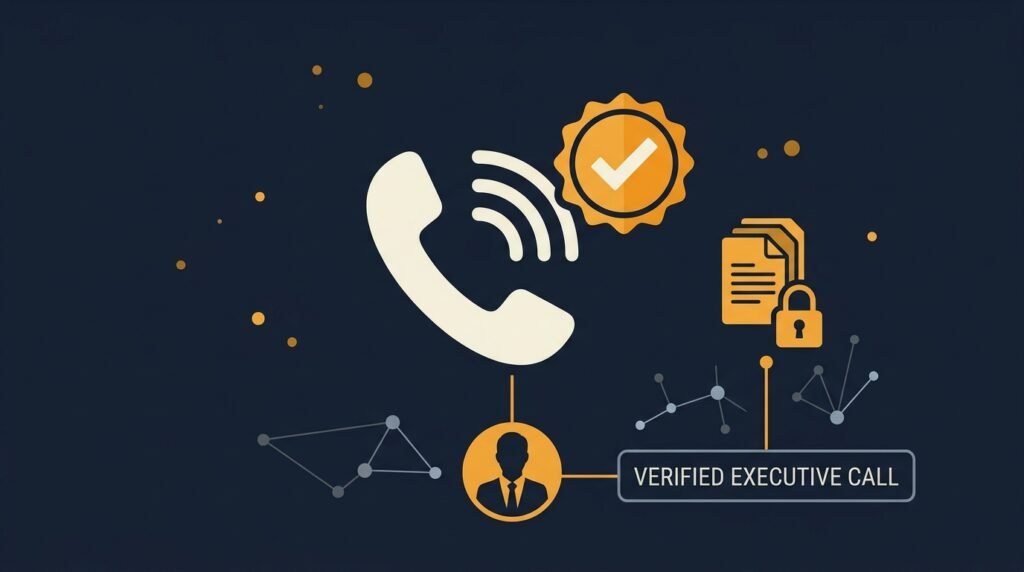
Deepfakes aren’t just a media-literacy issue for investigators — they’re an active fraud vector. Voice cloning is increasingly used in real-time social engineering, including calls impersonating executives to request urgent wire transfers or credential resets. Because these attacks often arrive by phone rather than through a monitored channel like email, technical detection tools frequently never get the chance to flag them at all. The real defense in these cases isn’t a detector — it’s a verification habit: confirming unusual or urgent requests through a separate, known channel before acting, regardless of how convincing the voice or video on the other end sounds.
Building this into an OSINT workflow
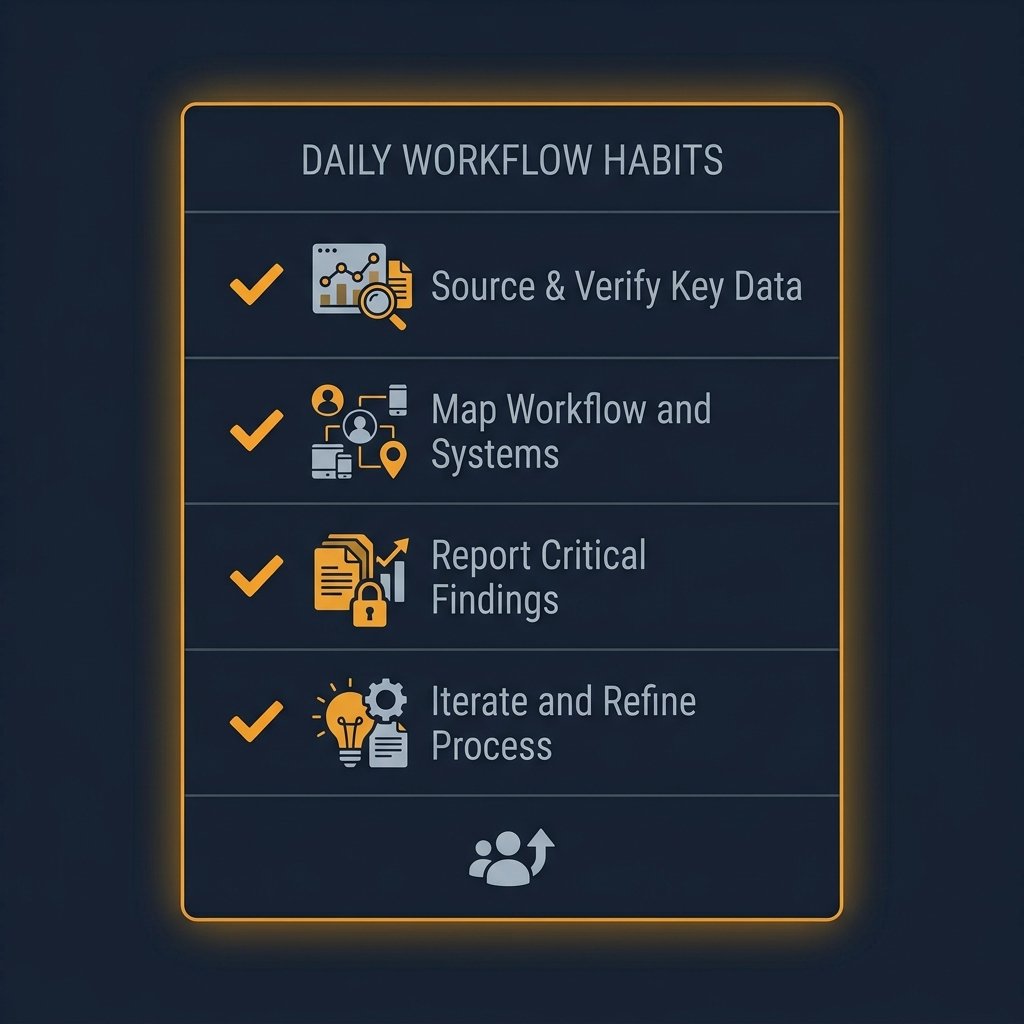
- Default to skepticism for anything used as key evidence, especially media that’s emotionally compelling or arrived through an unverified source.
- Cross-reference before concluding, using at least one independent source beyond the media itself.
- Document your verification steps, not just your conclusion — this matters for credibility and for catching your own errors on review.
- Stay current on generation techniques, since detection guidance that worked a year ago may already be outdated against newer models.
- Set a verification protocol for high-stakes requests (financial transfers, credential changes, urgent executive asks) that doesn’t rely on recognizing a voice or face at all.
The bottom line
Deepfakes have turned a foundational OSINT assumption — that raw media can generally be trusted — into something that now needs active verification. No detection method here is complete on its own; the discipline comes from triangulating sources, documenting the process, and treating unverified media as provisional rather than conclusive. As generation technology keeps improving, that verification habit will matter more than any single tool.
This same “verify before you trust it” instinct is what underlies several items in the Small Business Cybersecurity Risk Checklist — worth revisiting if your team hasn’t yet set clear protocols for confirming unusual or urgent requests through a separate channel.
Leave a Reply