For most of your life, hearing someone’s actual voice on the phone was about as close to proof of identity as you could get. That’s no longer true, and the shift happened faster than most people realize. Current AI voice cloning tools need as little as three to ten seconds of audio to produce a convincing clone — a voicemail greeting, a video posted online, a few seconds of someone talking is more than enough — and the result can now be over 90% accurate at mimicking the real person, adapting in real time even as you ask questions.
This isn’t a rare, exotic threat anymore. A 2026 survey of more than 12,000 consumers found that 1 in 4 Americans say they’ve received a deepfake voice call in the past year. For businesses, the FBI’s most recent data logged tens of thousands of AI-related fraud complaints in a single year, totaling hundreds of millions of dollars in losses. Here’s what’s actually true about verifying a voice today, and the one habit that reliably stops this kind of fraud.
Why you can’t trust your ears anymore
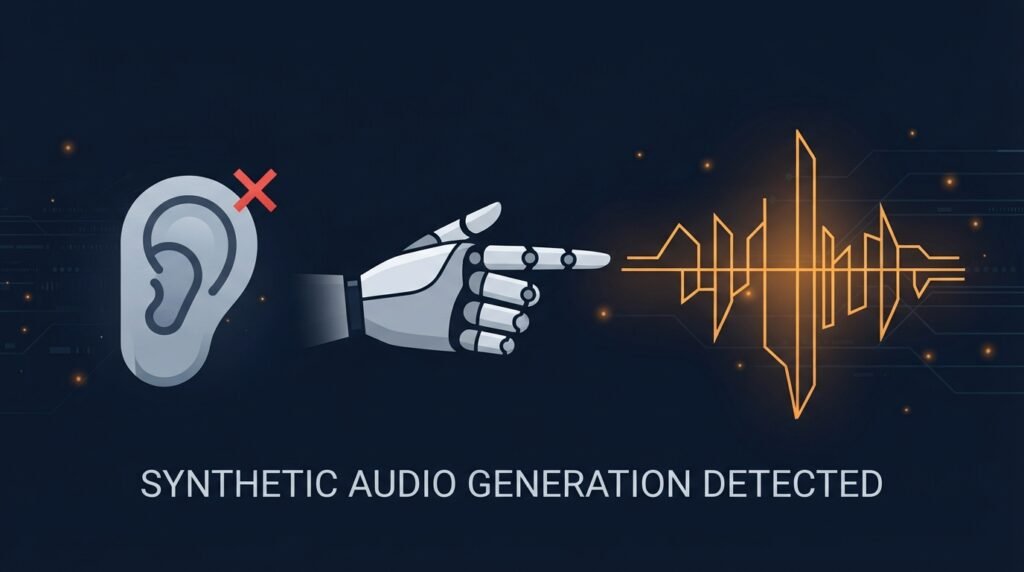
The old advice for spotting a scam call was to listen for tells: a robotic cadence, an accent that didn’t quite match, awkward pauses, bad grammar. Security researchers are now direct about this: those tells have largely disappeared. Trained listeners, including professionals who work in fraud prevention, generally cannot reliably distinguish a modern voice clone from the real person by ear. Multiple 2026 industry reports reach the same conclusion independently — this isn’t a matter of listening more carefully, because the audio itself doesn’t reliably reveal what it is anymore.
Caller ID doesn’t help either. Spoofing a real phone number alongside a cloned voice is inexpensive and technically simple, so the two things people instinctively rely on to verify a caller — the voice and the number — can both be faked at the same time.
What this looks like in practice
Two broad scenarios show up most often:
- Family emergency scams. A cloned voice, sounding exactly like a relative, calls claiming to be in trouble — an accident, an arrest, being stranded — and asks for money urgently, often specifically asking that no one else be told.
- Business and executive impersonation. A cloned voice, sounding like a CEO, executive, or known vendor contact, calls or leaves a voicemail asking finance staff to make an urgent wire transfer, change vendor banking details, or bypass normal approval steps.
Both versions rely on the same two ingredients: a convincing voice, and pressure to act before you’d normally stop and think.
The one thing that actually works: the callback rule
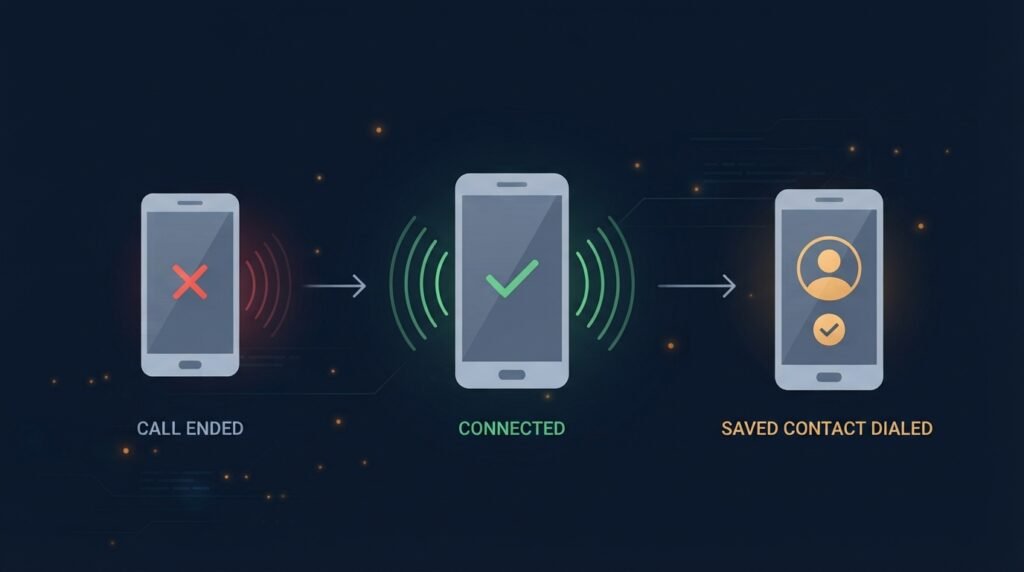
Every credible source on this problem converges on the same answer, and it’s worth taking seriously specifically because it isn’t a technical fix: hang up, and call the person back using a number you already have saved — never a number provided during the call itself, and never by simply calling back the number that rang you.
This works because it breaks the one thing a voice clone cannot fake: control over a phone number and device you already know belongs to that person. It costs nothing, takes about thirty seconds, and according to organizations tracking this at scale, stops the overwhelming majority of these attempts outright. The FTC’s own official guidance on this threat is exactly this: verify by calling the person back on a number you know is theirs.
Building this into a habit, not just a policy
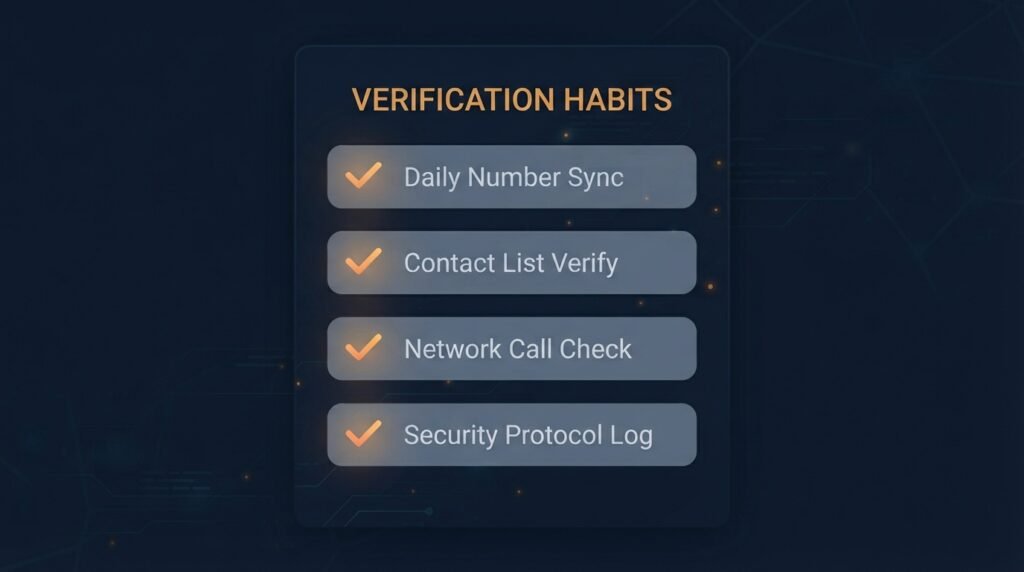
- Never act on a call alone, especially one involving money, urgency, or a request to keep something secret from other people who’d normally be involved.
- Agree on a verification phrase in advance with close family members or key business contacts — a word or phrase that wouldn’t appear in a public recording of that person’s voice, changed periodically.
- Treat urgency as a red flag, not a reason to hurry. A real emergency can withstand a thirty-second callback. Pressure to skip that step is itself a warning sign.
- Don’t rely on a second call from the same number as confirmation. If the original call was spoofed, calling back on that same number just reaches the scammer again.
- Assume a short public clip of your voice is enough. Voicemail greetings, social videos, and even a brief media appearance can supply enough audio for a clone, which is worth knowing before assuming this only affects public figures.
For businesses specifically
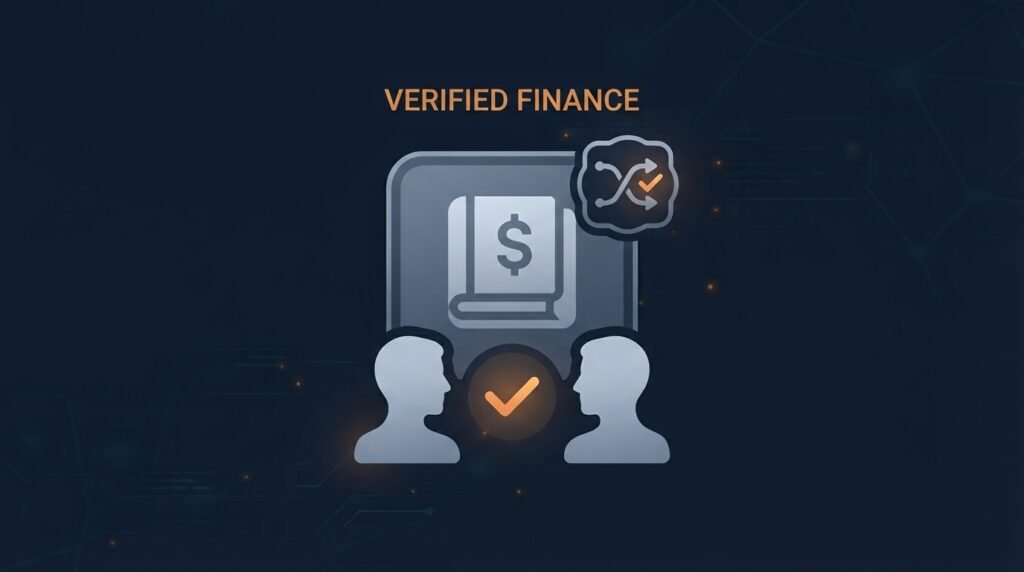
Security researchers consistently recommend the same small set of procedural controls for organizations, and none of them require new technology:
- A written callback-verification policy for any wire transfer, vendor banking change, or unusual payment request received by phone or voicemail.
- Dual approval for transfers above a set threshold, commonly $10,000, so no single call can authorize a large payment alone.
- A rotating verification phrase shared between executives and finance staff for exactly this scenario.
- A no-exceptions rule, since a single skipped callback is generally what separates a prevented attempt from a completed fraud.
These are procedural, not technical — the defense doesn’t cost anything, even though the attack itself has gotten cheap and easy to pull off.
The bottom line
You genuinely can’t tell a modern voice clone from a real voice by listening, and that’s not a personal failing — it’s the current state of the technology, confirmed by researchers who study this professionally. The good news is that you don’t need to get better at listening. You need one habit: hang up, and call back on a number you already trust. That single step neutralizes almost everything about this scam, no matter how convincing the voice on the other end sounds.
This same “verify through a separate channel” discipline is exactly what protects against phishing and business email compromise too, and it’s part of the broader awareness fundamentals in the Small Business Cybersecurity Risk Checklist.
Leave a Reply