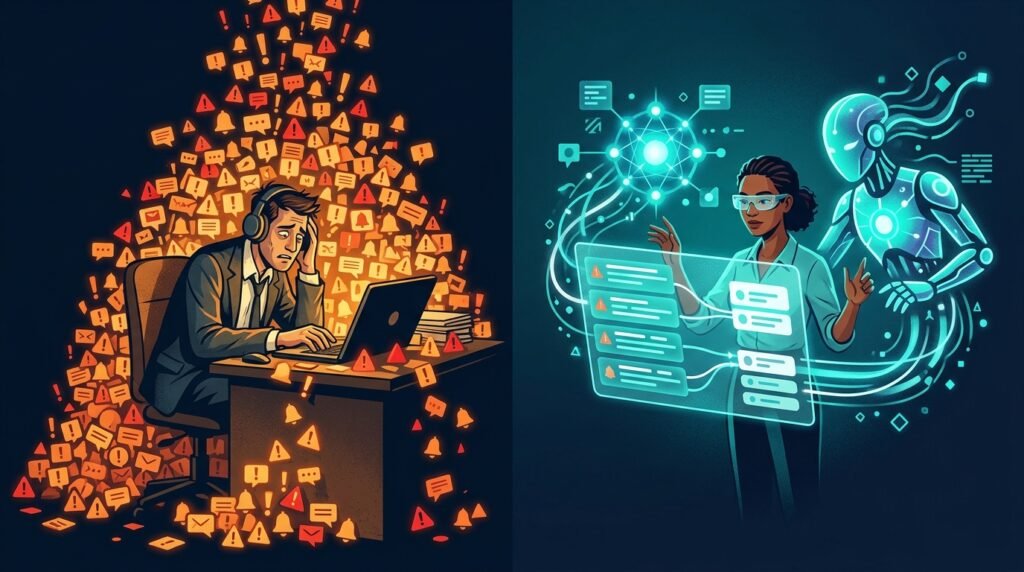
Every few months, a new headline declares that AI is about to put SOC analysts out of work. And every few months, SOC teams keep hiring, because the queue keeps growing and the threats keep evolving. The fear isn’t baseless, but it’s aimed at the wrong target. AI isn’t the thing that will replace SOC analysts.
What will is simpler, and closer to home: analysts who know how to work with AI replacing analysts who don’t.
Why the “Replacement” Story Doesn’t Hold Up
The case for AI replacing analysts usually rests on one observation: much of SOC work is repetitive. Triage the alert, check the reputation, pull the context, write the ticket. That’s true, and it’s exactly the kind of work AI and automation handle well.
But it confuses tasks with jobs. A SOC analyst’s value was never in how fast they could look up an IP address. It’s in deciding what an ambiguous pattern means, knowing which alert deserves attention in the middle of a bad night, and understanding the business well enough to tell a real threat from a quirky Tuesday. AI is getting better at the first part. The second part is still where analysts earn their keep.
There’s also a structural reason the job isn’t disappearing. Attackers are adopting AI too. More convincing phishing, faster reconnaissance, and cheaper deepfakes all raise the volume and quality of what defenders face. As the offense scales up, the demand for people who can judge, investigate, and respond scales with it.
What AI Actually Takes Off the Plate
It’s worth being specific about what changes, because the honest answer is “a lot of the grind.”
- First-pass triage. AI-assisted tools can sort and prioritize incoming alerts, pushing the likely-real ones up and the obvious noise down.
- Context gathering. Instead of pivoting across five tools, an analyst can get a pre-enriched alert with related events, asset details, and threat intelligence already attached.
- Summarization and documentation. Drafting ticket notes, incident summaries, and shift handovers is tedious work that AI handles competently, leaving the analyst to review rather than write from scratch.
- Pattern spotting at scale. Correlating weak signals across huge volumes of data is a machine-friendly task that humans were never going to do well manually.
None of that removes the analyst. It changes what a day looks like: fewer hours on lookups, more on decisions.
What AI Still Can’t Do
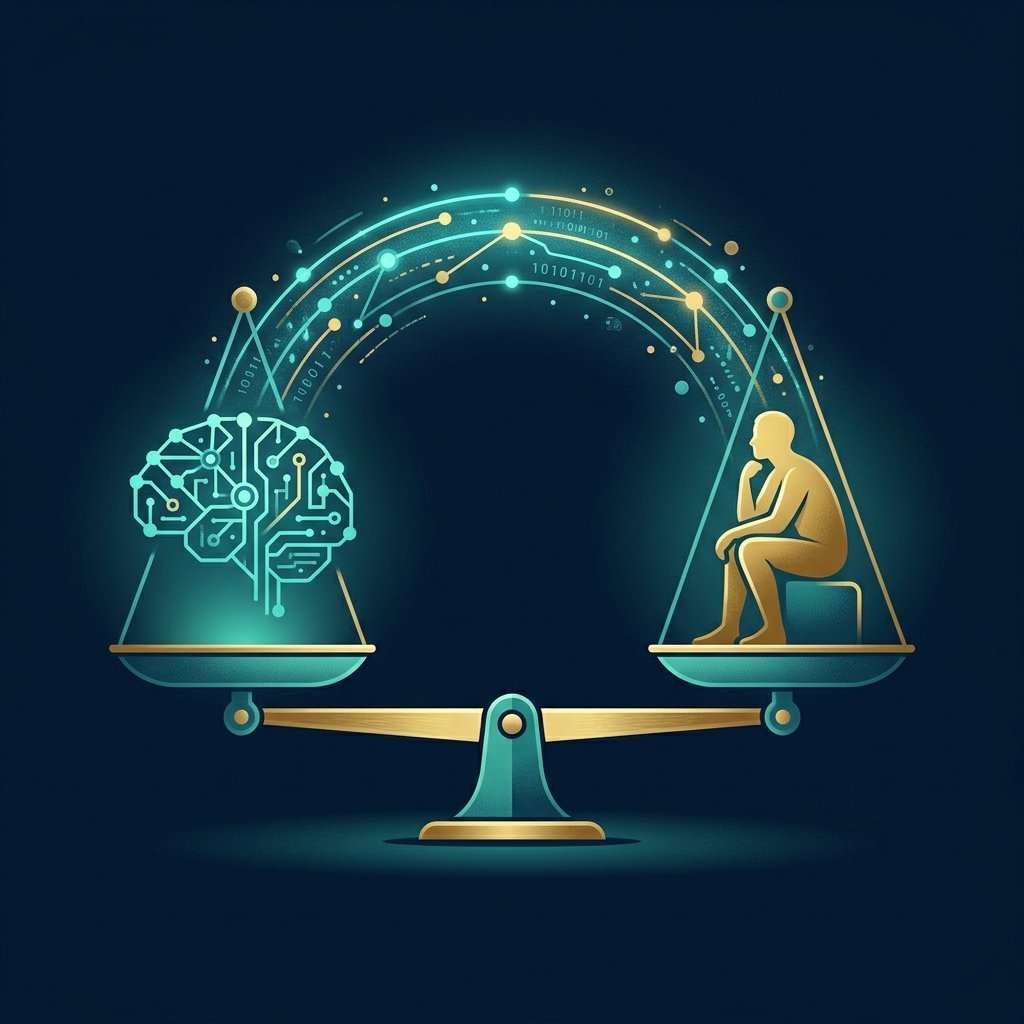
AI tools carry real limitations that matter in a security context. They can state wrong conclusions with total confidence. They can miss context that isn’t in the data they were given, like a planned migration, a new vendor, or a project that explains a strange login. And they can be manipulated: attackers are already studying how to feed detection systems misleading input.
Beyond the technical limits, there’s accountability. Someone has to own the decision to isolate a production server at 2 a.m., to tell leadership an incident is serious, or to call something a false positive and close it. Organizations aren’t going to hand that responsibility to a system that can’t be held accountable for being wrong.
So What Actually Replaces You?
Here’s the uncomfortable part. When one analyst using AI-assisted tooling can handle the workload that used to take two or three, the pressure doesn’t land on “analysts” as a category. It lands on analysts who haven’t adapted.
The analyst who treats AI as a threat to avoid will find their output compared against colleagues who use it well: faster triage, better documentation, more time for real investigation. Over a hiring cycle or a performance review, that gap shows up. That’s the replacement mechanism, and it’s far more ordinary than the headlines suggest.
It’s the same pattern seen when spreadsheets arrived for accountants or search engines for researchers. The profession survived. The people who refused to change how they worked were the ones who struggled.
The Skills That Matter More Now, Not Less
If the routine work gets automated, the skills that gain value are the ones AI is weakest at:
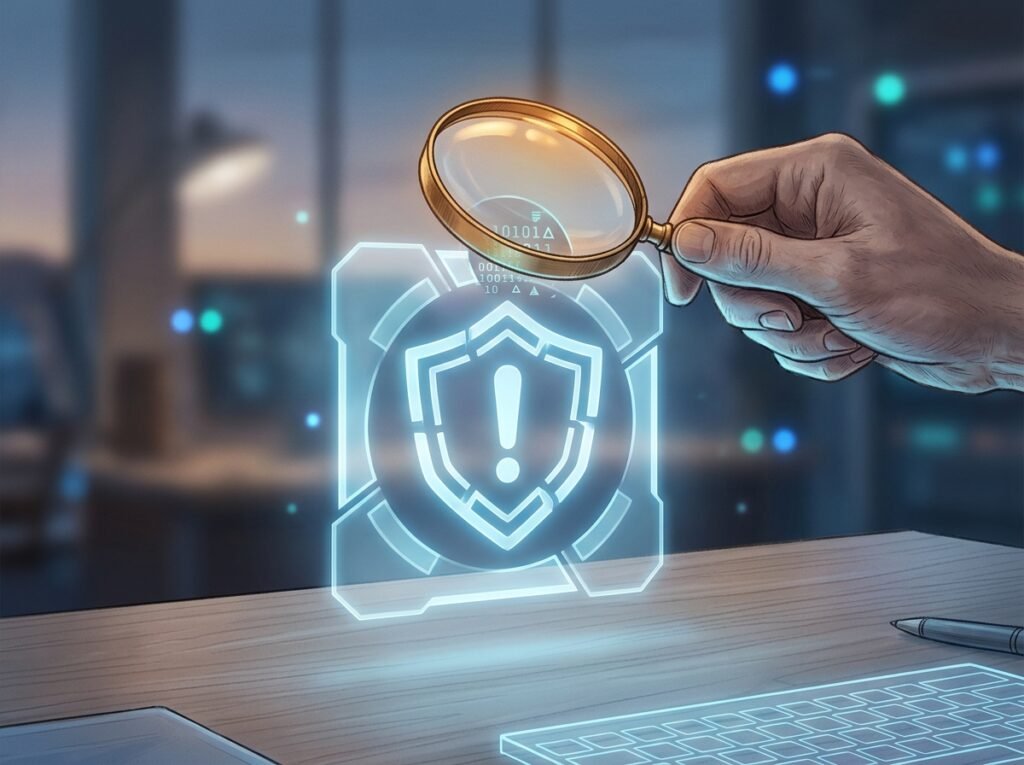
- Critical thinking and verification. Knowing when to trust an automated verdict and when to check it yourself, especially given AI’s tendency toward confident mistakes.
- Investigation depth. Following a thread through ambiguous evidence, forming hypotheses, and testing them.
- Business and environment context. Understanding what normal looks like in your specific organization, which no tool knows as well as the person who works there.
- Communication. Explaining a technical incident clearly to a nervous executive or a non-technical customer is a human skill that gets more valuable as the technical layer gets more automated.
- AI literacy itself. Understanding how these tools work, where they fail, and how to prompt, supervise, and audit them is quickly becoming a core professional skill rather than a bonus.
What to Do About It This Quarter
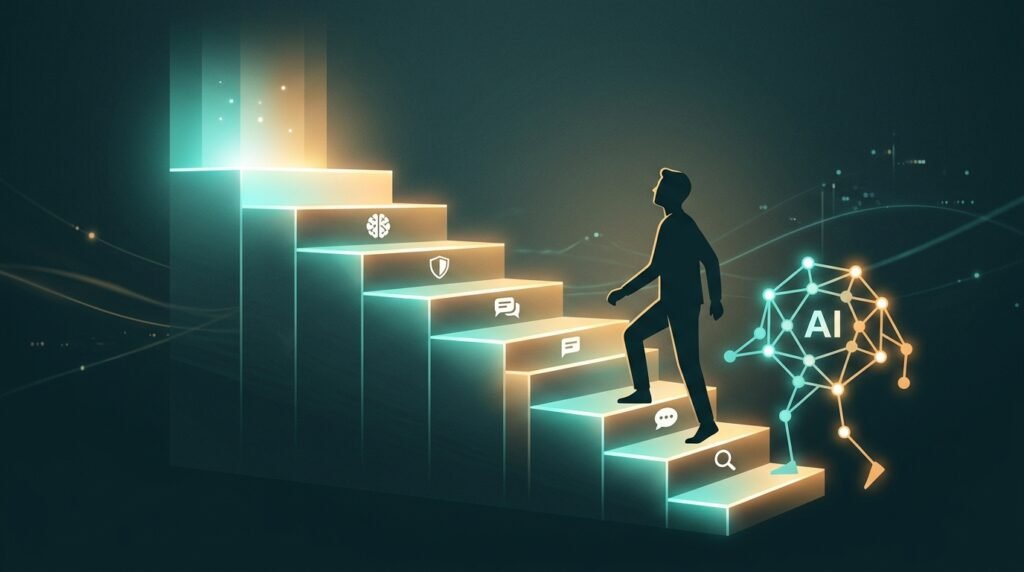
You don’t need a dramatic career pivot. A few practical steps go a long way:
- Use the AI tools your team already has. Learn their strengths and failure modes firsthand instead of forming opinions from headlines.
- Practice verifying AI output. Make it a habit to spot-check conclusions, especially on anything touching privileged accounts or critical systems.
- Document your own reasoning. The analyst whose notes explain why a decision was made is far harder to substitute than one who just closes tickets.
- Invest in the deeper skills. Threat hunting, incident response, and detection engineering all build on the judgment AI doesn’t replicate.
- Talk to your lead about how automation is being rolled out. Analysts who help shape that process end up with more say in how their role evolves.
The Bottom Line
AI is not coming for the SOC analyst. It’s coming for the version of the job that consists of repetitive lookups and copy-paste ticketing, and it’s handing everything else, the judgment, the investigation, the accountability, to the people willing to take it. The analysts who thrive over the next few years won’t be the ones who resisted the tools or the ones who trusted them blindly. They’ll be the ones who learned to work with them while keeping their own judgment firmly in charge.
Leave a Reply