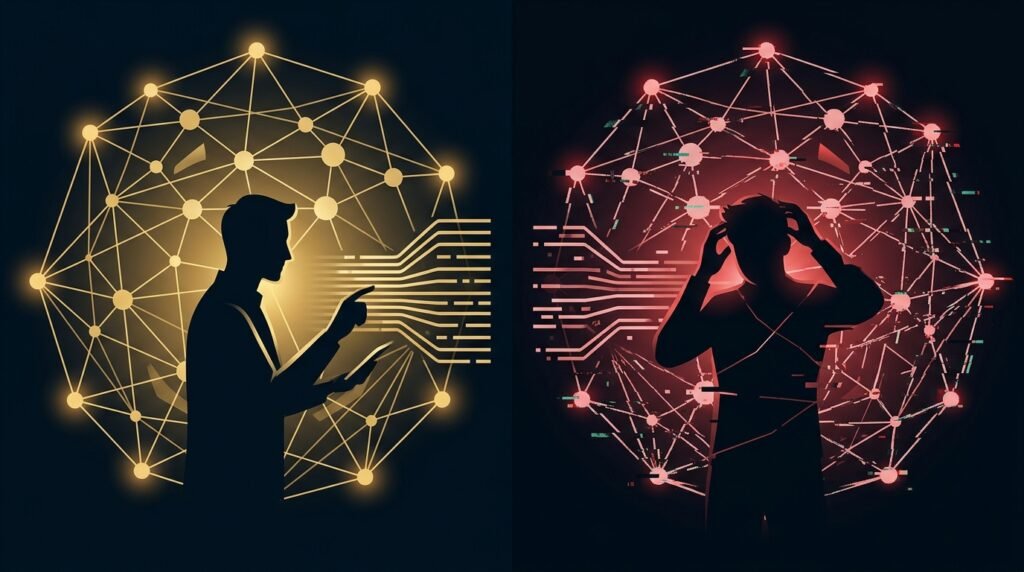
Ask ten OSINT professionals what they think of AI right now, and you’ll likely get ten nuanced answers — because AI in open-source intelligence isn’t a simple story. It’s not purely a helpful assistant, and it’s not purely a threat. It’s both, often at the same time, sometimes within the same investigation.
This post kicks off a short series digging into AI’s role in OSINT. Today, we’re looking at the big picture: where AI is genuinely making investigators better at their jobs, where it’s making their jobs harder, and why the honest answer to “friend or foe” is “it depends on how you use it.”
The Friend: What AI Actually Gets Right
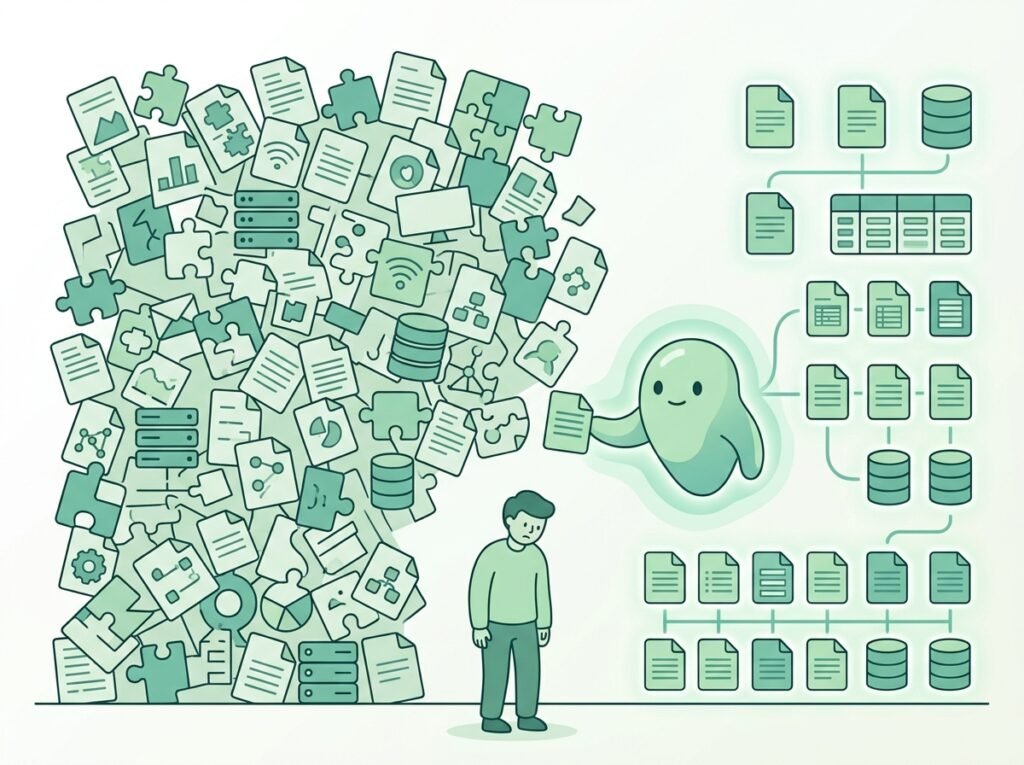
Most of what makes AI valuable in OSINT comes down to one thing — it’s extremely good at the parts of investigation that humans find tedious and slow.
It handles scale. Large-scale data collection is one of AI’s clear strengths. Sifting through thousands of social media posts, documents, or leaked datasets to find the handful of details that matter is exactly the kind of work AI-powered tools now do in minutes instead of hours.
It surfaces patterns humans miss. Entity resolution, anomaly detection, and correlation across disparate data sources are increasingly automated. A growing share of OSINT tools — by some industry estimates, well over half — now build machine-learning analytics directly into their platforms, quietly doing the pattern-matching work that used to require a sharp-eyed analyst and a lot of coffee.
It speeds up triage. Instead of manually opening browser tabs and toggling between databases, investigators can increasingly let AI-assisted tools pre-sort and prioritize what’s worth a closer look — turning hours of prep work into minutes.
The Foe: Where AI Is Making Things Harder
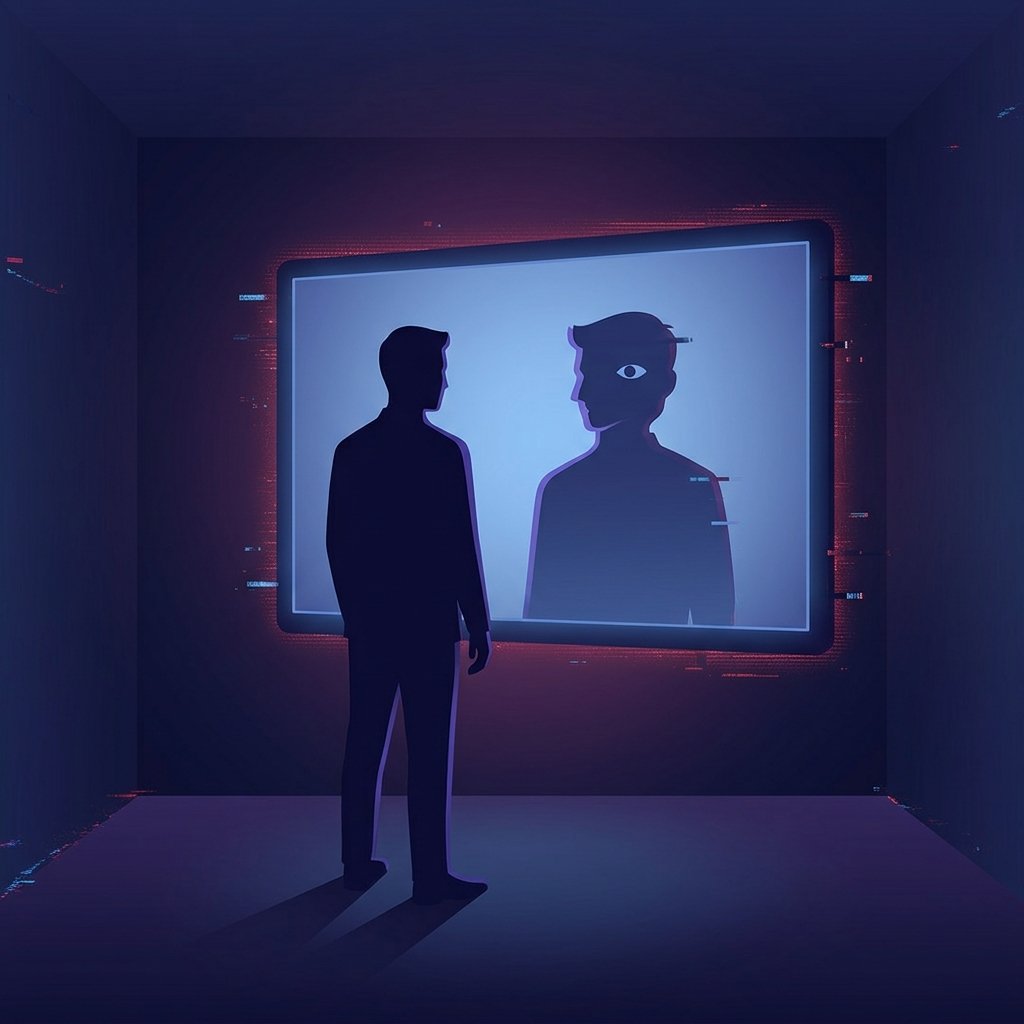
The same technology that helps investigators collect and analyze information is also making the information itself less trustworthy — and that’s the uncomfortable flip side of this story.
Disinformation is more convincing than ever. AI-generated content is making it harder to trust what we see online. Investigators increasingly have to ask not just “is this content edited?” but “how has AI been used inside this content?” — a much harder question to answer.
Deepfakes have gone mainstream. Voice clones, synthetic CCTV frames, fabricated political statements, and even fake emergency calls are no longer rare, expensive tricks — they’re accessible tools being used at scale by bad actors.
AI can be wrong with total confidence. Perhaps the most underappreciated risk is that AI tools carry real tendencies toward bias and hallucination. An AI system that misidentifies a connection, misreads context, or fabricates a plausible-but-false detail doesn’t announce its uncertainty — it just states it, and a rushed analyst can easily take that output at face value.
So — Friend, Foe, or Both?
The honest answer is “both,” and pretending otherwise leads investigators astray in one of two directions.
Treat AI purely as a friend, and you risk outsourcing judgment you shouldn’t — trusting an automated conclusion without checking the underlying evidence, or missing that the “source” you’re analyzing was itself AI-generated.
Treat AI purely as a foe, and you risk falling behind. The investigators and organizations skipping AI-assisted tools entirely are choosing to work slower, at smaller scale, and with less pattern-detection power than their peers — in a field where speed and scale increasingly define who catches what matters in time.
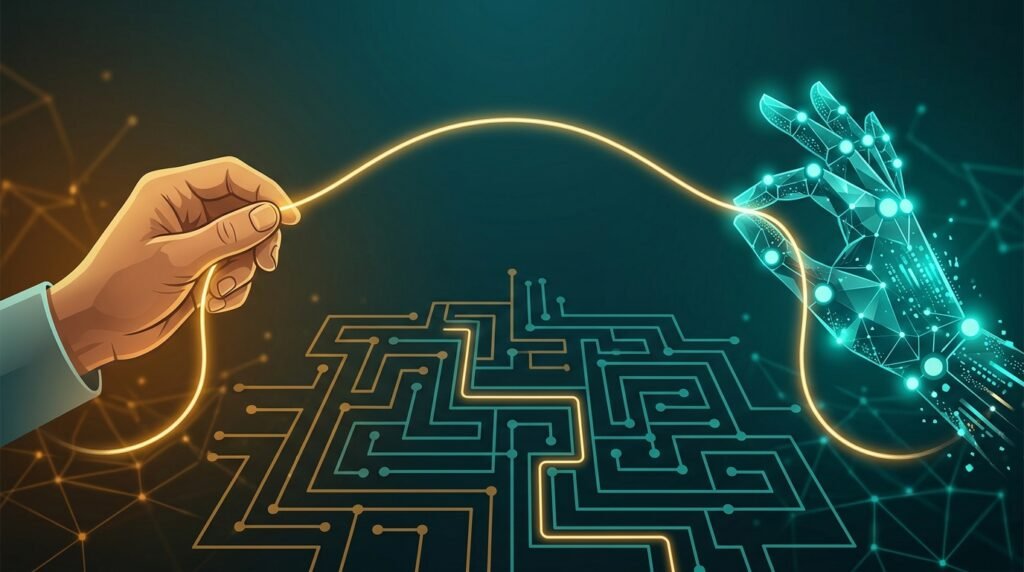
The practical path is the same one experienced professionals across many fields have landed on: use AI to do what it’s genuinely good at — scale, speed, pattern-spotting — while keeping a human firmly in charge of context, verification, and ethical judgment. AI can tell you what to look at faster than ever. It still can’t reliably tell you what it means, and it definitely can’t be held accountable for getting that wrong.
What’s Next in This Series
This is the overview — the next few posts go deeper into specific pieces of this puzzle: how AI is automating early-stage investigative prep, what a practical deepfake-detection workflow actually looks like, and why the human-in-the-loop question isn’t going away anytime soon. If you’re building or refining your own OSINT workflow in 2026, understanding this friend/foe balance is the foundation everything else builds on.
Leave a Reply