
If you’re considering a SOC analyst role, or you’re already in one and wondering whether what you’re feeling is normal, the data has a clear answer: it’s not just you, and it’s not rare. Multiple independent surveys running into 2026 converge on the same number — roughly 71% of SOC analysts report being burned out to some degree. This isn’t a fringe complaint from a few overworked individuals; it’s the documented, majority experience of an entire profession.
Here’s what the current research actually shows, why it’s happening, and what it means whether you’re evaluating this career or already living it.
The headline numbers
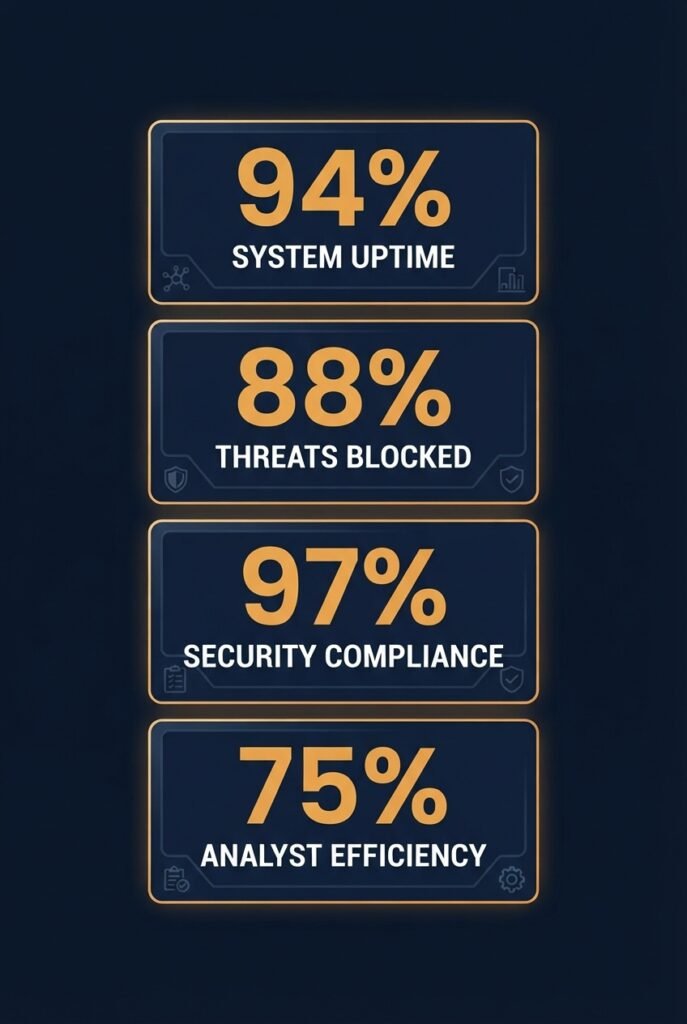
- 71% of SOC analysts report burnout, a figure that’s shown up consistently across multiple independent surveys, including Tines’ ongoing “Voice of the SOC Analyst” research and industry analysis throughout 2026.
- Roughly 73% of organizations report analyst burnout alongside persistent staffing shortages, and 48% of individual practitioners report exhaustion directly, according to recent industry survey data.
- Average analyst tenure has dropped below 18 months at many organizations, with some SOC teams reporting turnover of 40% or more of their staff in a single year, per SANS Institute research.
- 65% of SOC analysts say they’re likely to change jobs within the next year — not necessarily leaving the field, but leaving their current team, which still costs an organization the institutional knowledge that analyst had built up.
Why this keeps happening: the actual drivers
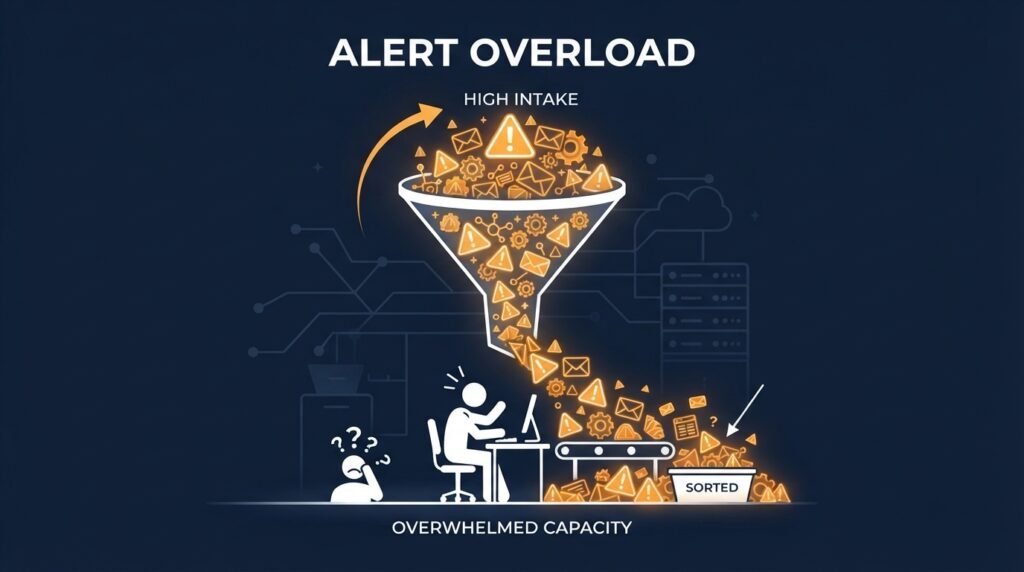
The research is consistent that this isn’t about individual weakness — it’s a structural mismatch between workload and staffing that shows up the same way across different organizations:
- Alert volume genuinely exceeds human capacity. The average organization receives roughly 960 security alerts per day, and most teams can only cover 40 to 60% of them. Every uncovered alert is a potential blind spot, and knowing that gap exists is itself a source of chronic stress.
- False positives dominate the workload. Roughly two-thirds of alerts turn out to be false positives, and manually clearing each one takes 10 to 15 minutes — a cycle that stacks into hundreds of wasted analyst-hours per week across a team, while eroding confidence in the alerts that are real.
- Workloads keep rising faster than headcount. Around 60% of analysts report their workload has increased over the past year, and staffing was named the single top practitioner-cited challenge in the 2026 SANS SOC Survey.
- A retention doom loop. When an analyst leaves, months of environment-specific knowledge leave with them. Whoever backfills the role starts without that context, which increases their own odds of burning out and leaving too — a cycle that keeps regenerating itself rather than resolving.
- A real gap between leadership and staff perception. The 2026 SANS survey found a 27-point gap between leaders who believe management is actively tracking SOC hiring and retention needs, and the practitioners who agree — suggesting the problem is at least partly about leadership visibility, not just workload alone.
What burnout actually costs, beyond how analysts feel
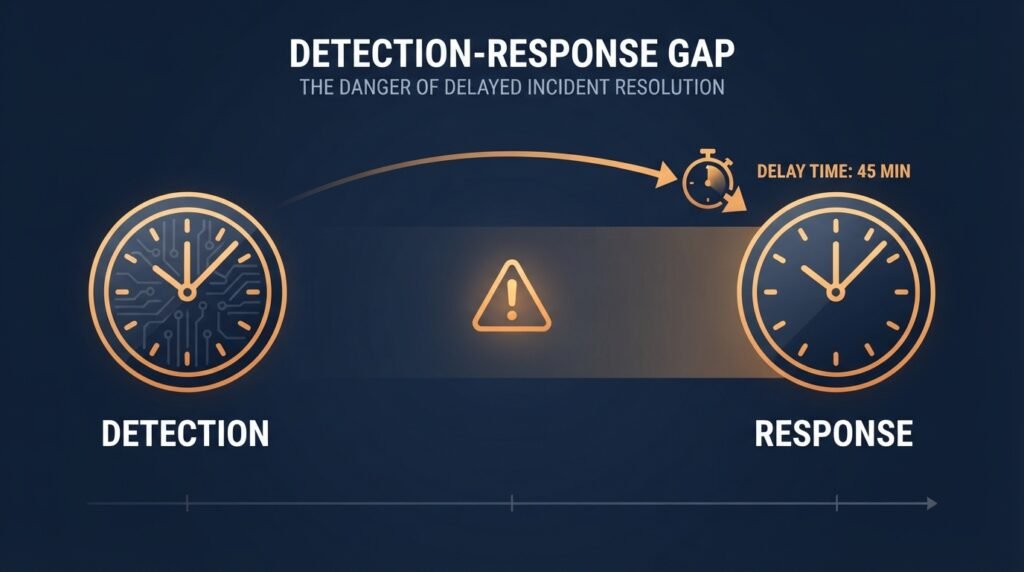
This isn’t purely a wellbeing issue — burnout measurably degrades the security outcomes a SOC exists to protect. Slower mean time to respond, rising error rates, and the loss of institutional pattern-recognition when experienced analysts leave all widen the gap between when a threat is detected and when it’s actually handled. For a CISO or business leader, sustained analyst burnout isn’t just a retention problem — it’s a direct, ongoing risk to how well the organization can actually detect and respond to real incidents.
It’s not all bad news — the nuance matters
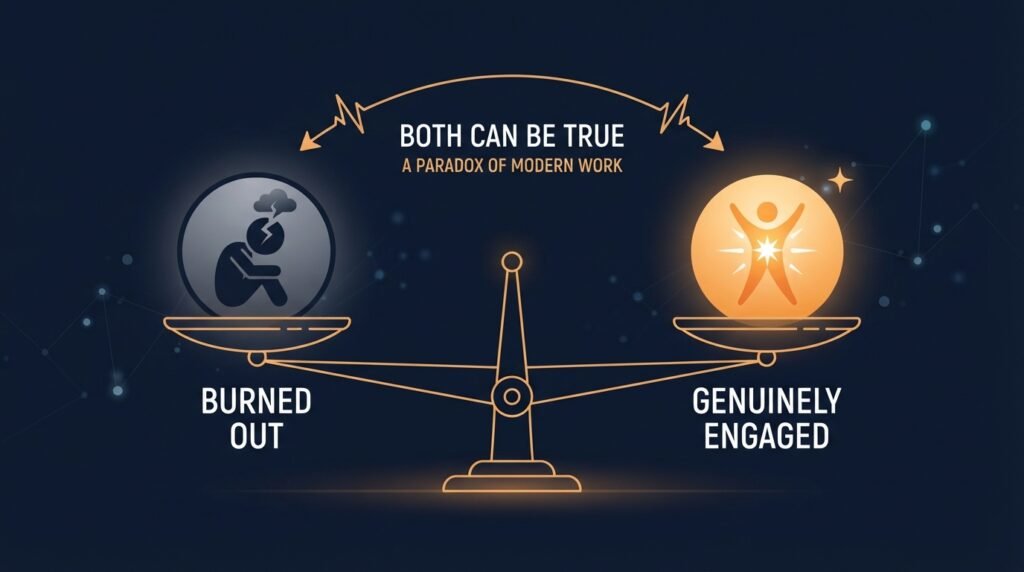
One detail from the Tines research is worth sitting with: the majority of SOC analysts also report being satisfied with their jobs, engaged with their work, and feeling respected by their peers — at the same time as reporting burnout. These aren’t contradictory findings. They suggest analysts generally like the actual work of security, and the exhaustion comes specifically from the conditions surrounding it — alert volume, tool sprawl, understaffing — rather than a dislike of the role itself. That distinction matters if you’re considering this career: the evidence suggests the job itself isn’t the problem for most people; the environment it’s often practiced in is.
What’s actually shown to help
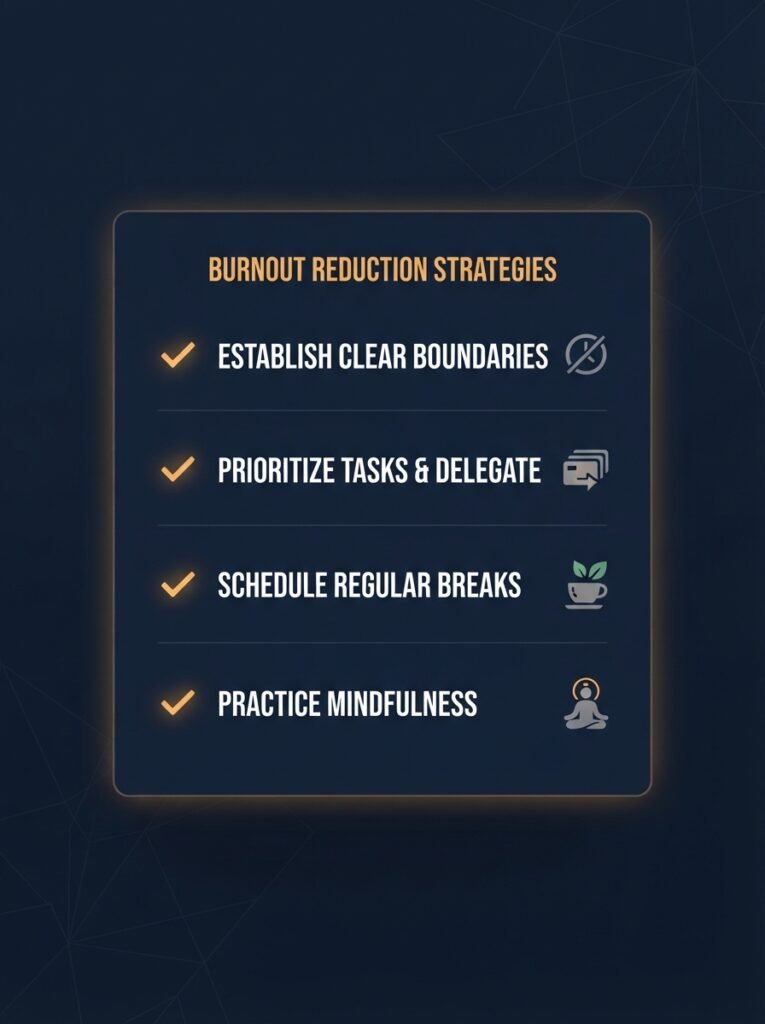
Research and practitioner surveys point to a few concrete levers that measurably reduce this, rather than vague wellness advice:
- Reducing alert noise through better tooling and prioritization, not just adding more staff to absorb the same volume. Organizations using more automated triage report meaningfully reduced false-positive rates and faster response times.
- Auditing log coverage before adding more alert rules, since incomplete visibility upstream is often what generates the noisy, low-confidence alerts driving fatigue downstream in the first place.
- Genuine career development paths, not just compensation — SOC analysts consistently name recognition and a visible path to more senior roles as meaningful factors in whether they stay.
- Leadership actively tracking retention as a metric, not just hiring numbers — closing that 27-point perception gap between what leaders believe is happening and what staff actually experience.
- Mental health support that’s actually used. Staff surveys point to stress management and counseling support as things analysts say would genuinely help, not just a line item in a benefits package.
The bottom line
SOC analyst burnout isn’t an occasional hazard of the job — it’s the documented experience of roughly seven in ten people currently doing it, driven by alert volume, understaffing, and tool sprawl rather than any failing on analysts’ part. The same research shows most analysts still genuinely like the work itself, which is a meaningful distinction: the fix isn’t a different career, for most people — it’s better tooling, realistic staffing, and organizations that treat retention as seriously as they treat detection metrics.
If you’re weighing this path, our posts on is a cybersecurity career right for you and how to build a cybersecurity portfolio with no experience are good next reads for going in with a realistic, well-informed picture.
Leave a Reply