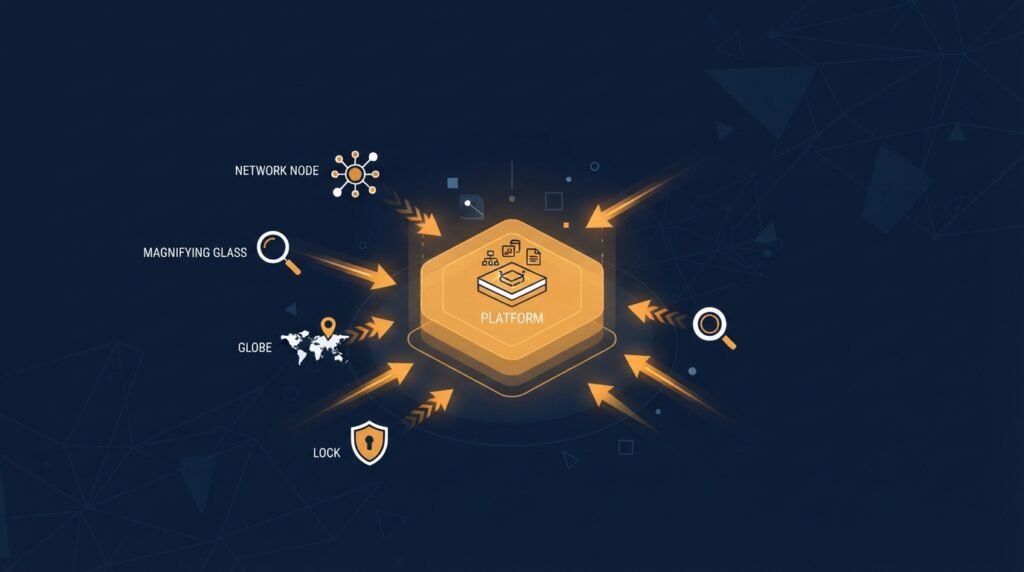
Our post on the OSINT toolkit walked through 15 individual tools worth learning — each one built to do a specific job well. That landscape is changing underneath investigators’ feet. One recent industry mapping counted 93 OSINT vendors across 12 categories, and flagged something worth paying attention to: continued consolidation, as larger suites absorb point tools, is one of the two forces expected to define the next year of this market. The independent, single-purpose tool is increasingly becoming a feature inside someone else’s platform rather than a standalone product.
Here’s what’s actually been bought, why it’s happening, and what it means for anyone building an OSINT practice around today’s tools.
The deals that show the pattern
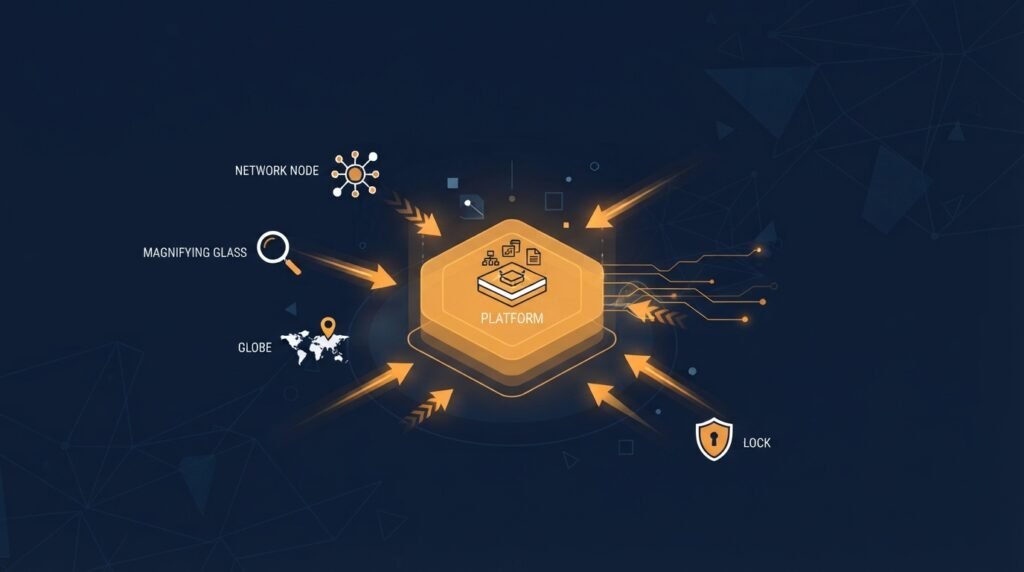
A few real transactions map out exactly how this has played out over the last two years:
- Google acquired Mandiant for $5.4 billion in 2022, folding one of the industry’s most respected threat-intelligence and incident-response brands directly into Google’s broader security offering.
- Mastercard acquired Recorded Future, one of the largest dedicated threat intelligence platforms in the industry, for $2.65 billion in 2024 — a genuinely unusual buyer, since a payments company absorbing a pure-play threat intelligence firm signals how broadly “useful” this kind of intelligence has become outside traditional security teams.
- Bitsight acquired Cybersixgill in 2024, specifically to bring automated, AI-driven dark web data collection in-house rather than continuing to rely on a separate specialized vendor for that layer.
- Maltego acquired Hunchly, a dedicated evidence-capture tool long used by OSINT investigators to document their work, in May 2025 — folding a widely used standalone documentation tool directly into the leading link-analysis platform.
Four different buyers, four different specialties being absorbed — infrastructure intelligence, threat data, dark web collection, evidence capture — but the same underlying move each time: a broader platform swallowing a point tool that used to stand on its own.
Why this is happening now
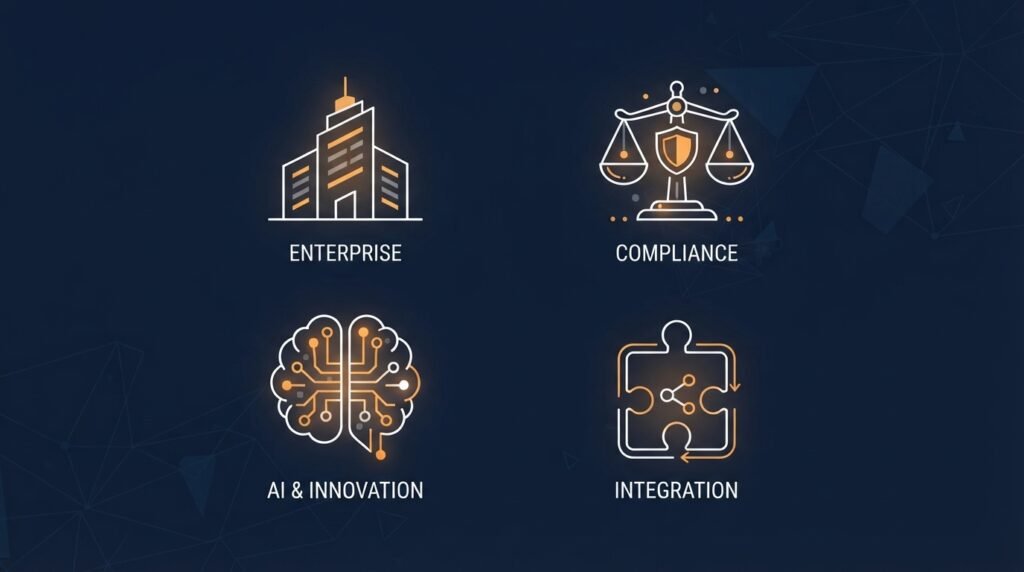
A few forces are pushing this trend at the same time, rather than any single cause:
- Enterprise buyers want one platform, not a stack of subscriptions. Security and intelligence teams increasingly need unified environments that combine collection, monitoring, and workflow integration, rather than stitching together a dozen separate tools with their own logins, exports, and learning curves.
- AI enrichment needs broad, integrated data. Modern platforms increasingly rely on AI to correlate and enrich findings automatically, and that works far better with a wide internal pool of data feeding one system than with data scattered across separate vendors that don’t talk to each other.
- Regulatory pressure rewards auditable, accountable platforms. As data protection law tightens around how public data, especially personal information, gets collected and processed, large platforms with formal compliance postures, documented data handling, and established audit trails have a real advantage over smaller tools that may not have built that infrastructure yet.
- Consolidation is genuinely profitable for the acquirers. Buying a well-regarded specialized tool is often faster and cheaper than building the same capability from scratch, and it immediately deepens what an existing platform can offer its enterprise customers.
What gets better, and what gets lost
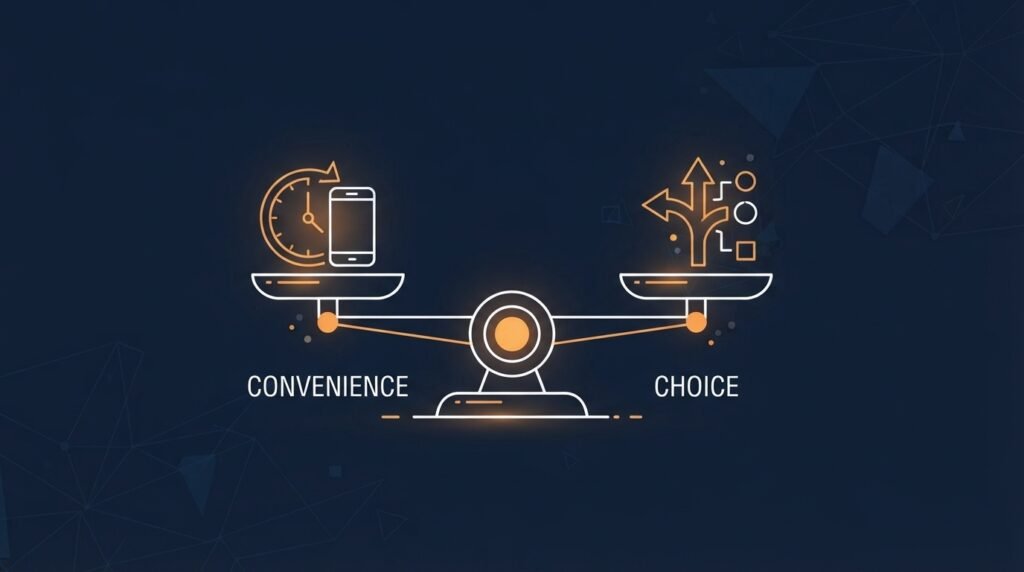
Consolidation isn’t purely good or bad — it’s a genuine trade-off, and different people feel it differently depending on where they sit:
What tends to improve:
- A single login and unified workflow instead of exporting data between five disconnected tools.
- Deeper AI-driven correlation across data types that used to live in separate silos.
- Stronger compliance and audit trails, which matter more as legal scrutiny of OSINT data collection increases.
- Continuous support and development funding, since a well-capitalized parent company can invest more than a small standalone tool often could on its own.
What tends to get lost:
- Pricing power shifts toward the platform. Once a tool is folded into an enterprise suite, standalone or budget-friendly access sometimes narrows or disappears, pushing smaller teams and independent investigators toward either a much bigger bill or a downgraded free tier.
- Specialized depth can get diluted. A tool built by a small, focused team to do one thing extremely well doesn’t always retain that same level of specialist attention once it’s one feature among dozens inside a much larger platform roadmap.
- Vendor lock-in becomes a real risk. Relying on one consolidated platform for collection, analysis, and monitoring means a pricing change, a policy shift, or a platform outage affects your entire workflow at once, rather than one tool in a broader stack.
- The free, open-source layer of this field could thin out over time, if smaller open tools increasingly get acquired or out-competed by well-funded suites rather than continuing to develop independently.
What this means if you’re building an OSINT practice today
- Don’t build your entire workflow around a single vendor’s roadmap, especially a small or independent tool that could plausibly be acquired. Keep your own documentation and evidence trail in a format you control, independent of any one platform’s export features.
- Understand what you’re actually paying for as tools consolidate. A platform that recently absorbed several point tools may be pricing access to that combined capability well above what any individual piece used to cost — worth reassessing whether you still need the full suite or just the one function you originally adopted it for.
- Keep the open-source and free layer of your toolkit in active use, not just as a backup. Tools like SpiderFoot and theHarvester, covered in our OSINT toolkit post, remain independently maintained and are a genuine hedge against being fully dependent on a consolidating commercial market.
- Expect fewer, larger vendors over time, not more small ones. As covered in our post on real-time OSINT monitoring, the platforms best positioned to deliver genuinely continuous, AI-enriched intelligence are increasingly the well-capitalized ones that can afford to build or buy that infrastructure — which is exactly the dynamic driving this consolidation in the first place.
The bottom line
The individual, single-purpose OSINT tool isn’t disappearing, but it’s increasingly becoming a feature inside someone else’s platform rather than a product you adopt on its own terms. That shift brings real advantages — better integration, deeper AI enrichment, stronger compliance — alongside real risks: vendor lock-in, shifting pricing, and the quiet possibility that a favorite free tool gets folded into an enterprise suite you can no longer afford. Building a practice that isn’t entirely dependent on any single consolidating platform is worth the extra effort now, before the next acquisition changes the terms.
This builds directly on our earlier posts on the OSINT toolkit and real-time OSINT monitoring — both worth revisiting as the tools they cover keep getting absorbed into bigger platforms.
Leave a Reply