OSINT — open-source intelligence — means gathering information from publicly available sources: websites, social media, business filings, domain records, and anything else that isn’t hidden behind a login or a hack. Security teams have used it for years to research threats before they happen. What’s changed recently is speed. Work that used to take an analyst hours of manual searching can now be handled by AI in minutes, and that shift is reshaping both sides of cybersecurity — the defenders doing the research, and the attackers doing it too.
Here’s what’s actually happening in this space, why it matters even if you’ve never heard the term OSINT before, and what a small business should take away from it.
What “early-stage OSINT” actually means
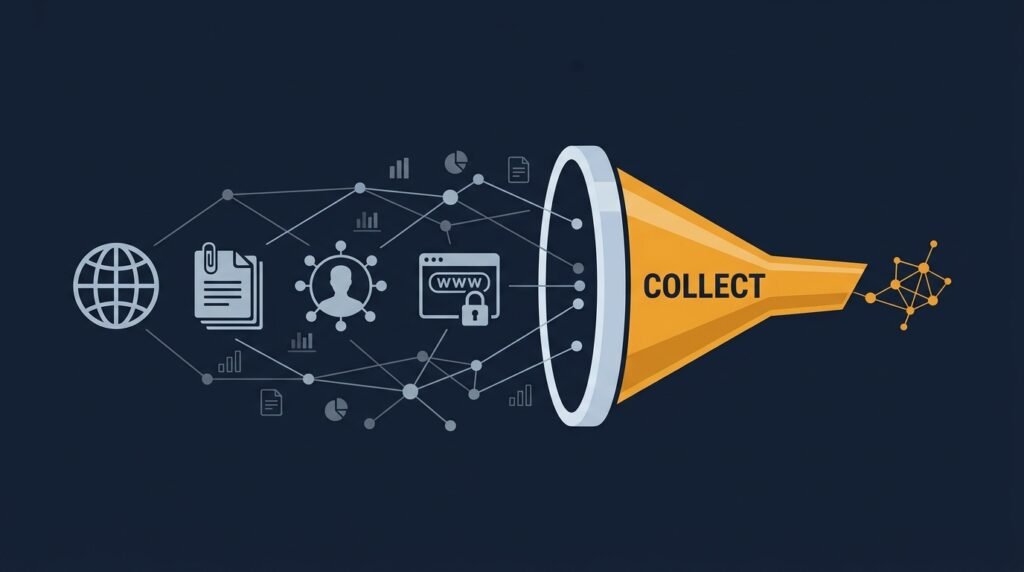
Any investigation, whether it’s a security team assessing a threat or a fraud team vetting a new vendor, starts with the same early phase: figuring out what’s publicly known about a person, company, or domain before deciding where to dig deeper. That early stage usually involves pulling together things like:
- Company registration and ownership records
- Domain registration history and infrastructure details
- Public social media activity and professional profiles
- News mentions, data breach records, and leaked-credential databases
- Technical footprint — exposed servers, subdomains, and misconfigured systems
Done manually, this is slow, repetitive work, and it’s exactly the kind of task AI has gotten good at accelerating.
What AI is actually automating
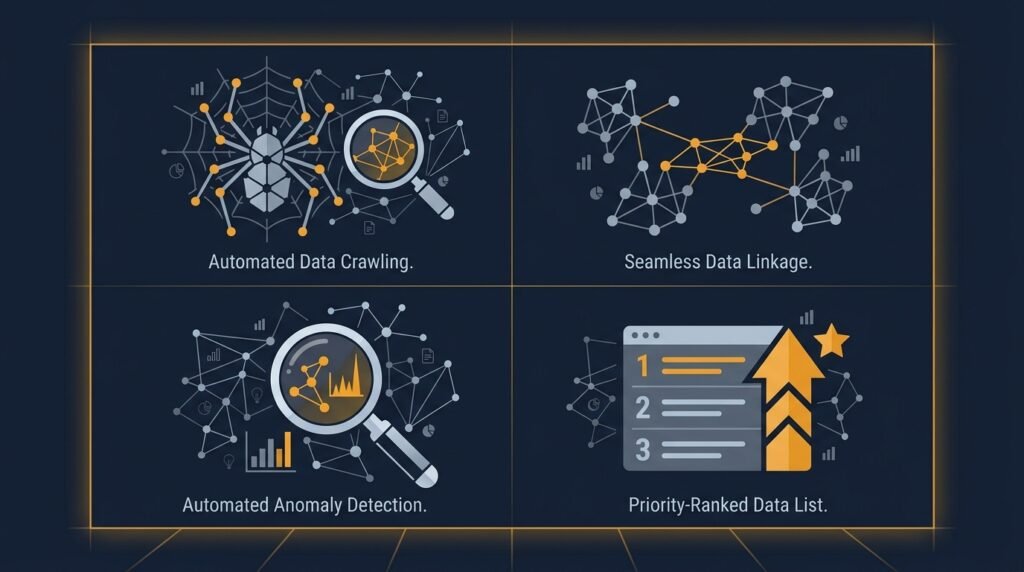
AI isn’t replacing the analyst who makes the final judgment call — it’s replacing the manual grind that used to come before that judgment. In practice, that includes:
- Large-scale data collection. AI-driven crawlers can scan social media, forums, dark web marketplaces, and code repositories continuously, instead of an analyst manually checking a handful of sources.
- Entity resolution. Figuring out that “J. Smith,” “John Smith,” and a specific email address all refer to the same person, across dozens of scattered mentions, used to be tedious manual cross-referencing. AI models now do this automatically.
- Relationship mapping. Tools can now visually map how people, companies, domains, and infrastructure connect to each other, surfacing patterns a human might take days to piece together by hand.
- Anomaly and pattern detection. Machine learning models flag unusual patterns in large datasets — a sudden spike in similar-looking phishing domains, for example — far faster than manual review.
- Prioritization. Instead of an analyst reviewing everything with equal attention, AI can rank findings by likely relevance or risk, so human time goes to the leads that actually matter.
The result is a shift from reactive, one-off investigations toward continuous, automated monitoring — systems that are always watching, rather than only looking when someone remembers to check.
How businesses use this defensively
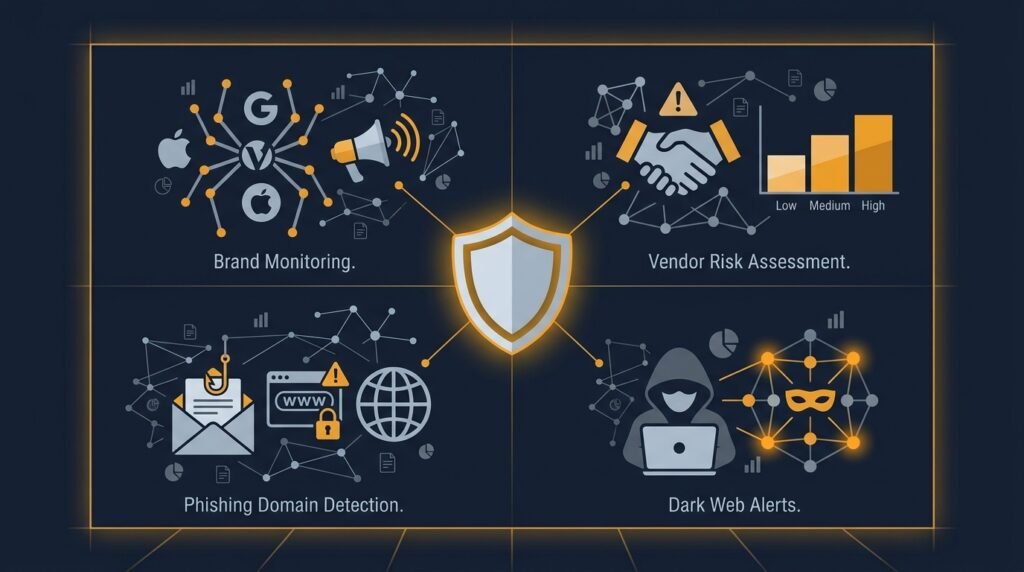
This isn’t just a tool for large intelligence agencies. Security teams — including ones supporting small and mid-sized businesses through managed service providers — use AI-driven OSINT for very practical purposes:
- Brand and impersonation monitoring. Automatically scanning for fake social accounts, lookalike domains, or counterfeit listings using your company’s name or logo.
- Phishing domain detection. Spotting newly registered domains designed to mimic your business’s website before they’re used in an attack.
- Vendor and third-party risk assessment. Checking a potential vendor’s public security posture, breach history, and exposed infrastructure before trusting them with your data.
- Attack surface monitoring. Continuously scanning for your own exposed systems, forgotten subdomains, or leaked credentials tied to your business, so you find them before an attacker does.
- Fraud investigation. Piecing together public records and digital footprints to verify whether a business, invoice, or contact is legitimate.
The other side: attackers use this too
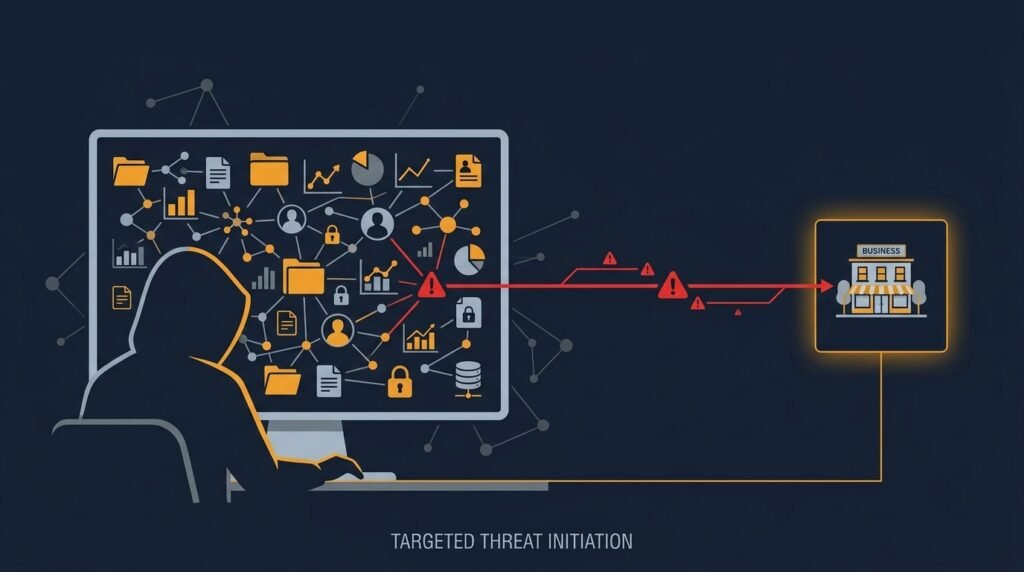
The same automation that helps defenders also lowers the bar for attackers. Reconnaissance that once required real skill and time — researching a company’s employees, org chart, vendors, and technical footprint before crafting a convincing phishing email or social engineering attempt — can now be done largely automatically, at scale, by a single attacker with AI tools. This is part of why phishing emails have gotten noticeably more convincing and better targeted in recent years: the research behind them got faster and cheaper to produce.
For a small business, this means the old assumption — “we’re too small for anyone to bother researching us” — no longer holds the way it used to. Automated reconnaissance doesn’t care how small the target is; it’s not spending meaningfully more human effort either way.
What this means for your business
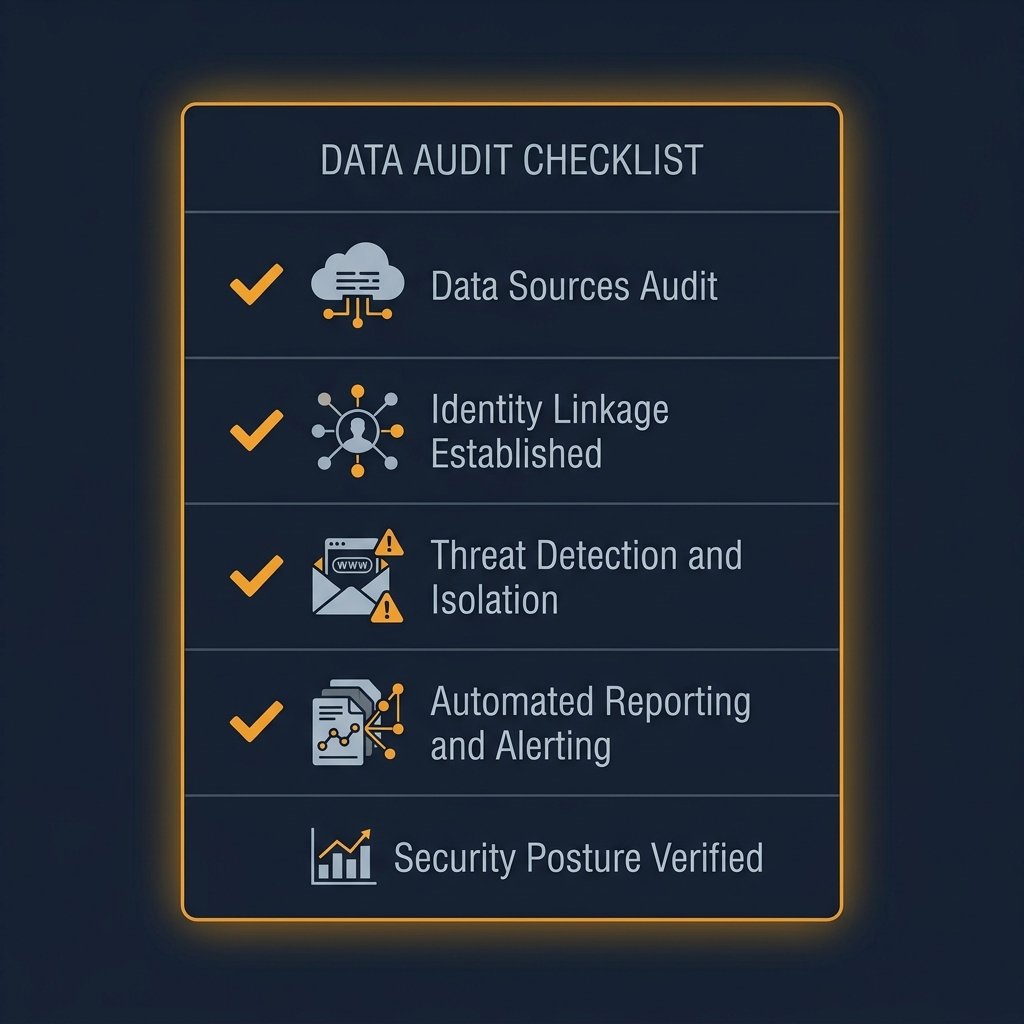
You don’t need to become an OSINT expert, but a few practical habits reduce what’s easy for either side to find and use against you:
- Search your own business the way an attacker would. Look up your company name, domain, and key employees’ public profiles periodically to see what’s actually exposed.
- Limit what’s publicly shared. Job postings, org charts, and employee social profiles often reveal more about your internal systems and structure than intended — enough to make a phishing attempt far more convincing.
- Monitor for lookalike domains and impersonation, especially if your business handles payments or sensitive customer data, where a convincing fake can do real damage.
- Ask vendors and managed security providers what monitoring they already do on your behalf — many include automated brand and exposure monitoring as a standard service today.
The bottom line
AI hasn’t changed what OSINT is — it’s changed how fast it happens. Work that used to take a skilled analyst days now happens continuously and automatically, which is a genuine advantage for defenders trying to catch threats early, and an equally genuine advantage for attackers researching their next target. The businesses in the best position aren’t the ones assuming they’re too small to be researched — they’re the ones who’ve already looked at what’s publicly findable about them and closed the easy gaps.
That kind of exposure review pairs naturally with the network and access items in the Small Business Cybersecurity Risk Checklist — worth a look if you haven’t yet checked what your business actually looks like from the outside.
Leave a Reply