
Open-source intelligence used to be a niche skill — something journalists, hobbyist investigators, and a handful of security analysts practiced quietly in the background. That’s no longer the case. In 2026, OSINT has moved firmly into the mainstream, and the numbers behind that shift are hard to ignore.
The Market, By the Numbers
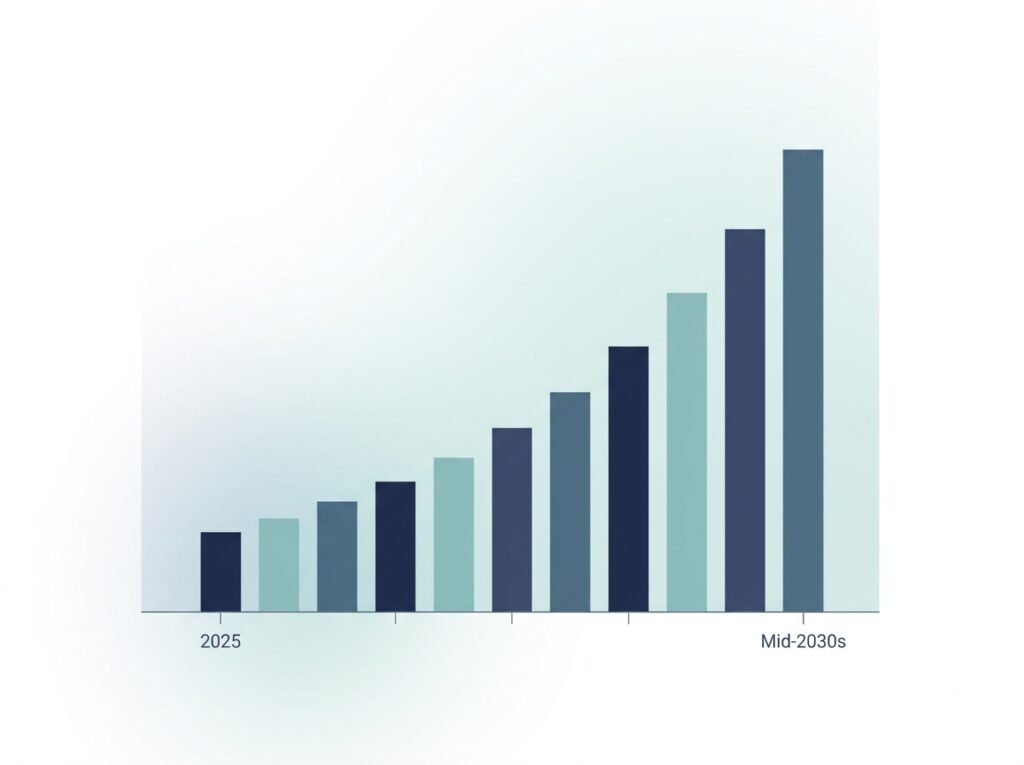
Estimates vary depending on which research firm you ask, but the direction is unanimous: OSINT is one of the fastest-growing corners of the intelligence and security industry. Market analysts put the global OSINT market at roughly $12–13 billion in 2025, with projections showing it climbing toward the $16 billion mark in 2026 alone. Longer-term forecasts are even more striking — some analysts expect the market to grow at a compound annual rate in the mid-to-high twenties percent over the next decade, potentially reaching well over $100 billion by the mid-2030s.
Those figures should be read as directional rather than precise — different research firms use different methodologies and definitions of what counts as “OSINT” — but even the most conservative estimates point to a market growing several times faster than the broader tech sector.
What’s Driving the Growth
A few forces are converging to push OSINT from a specialist practice into a standard part of how organizations operate.
Cyberattacks keep getting more sophisticated. As threat actors become more advanced, security teams need better visibility into exposed assets, leaked credentials, and emerging attack infrastructure — all things OSINT tools are built to surface.
Digital footprints keep expanding. Every new app, platform, and connected device adds to the pool of publicly available information about people, companies, and infrastructure. More data available means more value in tools that can collect, organize, and make sense of it.
Compliance requirements keep tightening. Regulators around the world are pushing companies to know more about their vendors, partners, and customers — due diligence that increasingly relies on open-source research rather than manual, ad hoc checks.
Artificial intelligence is reshaping the entire field. This might be the single biggest driver right now. Surveys of cybersecurity professionals show an overwhelming majority believe AI will be the primary force reshaping the industry in the years ahead, and organizations are rapidly increasing how closely they scrutinize the AI tools they adopt. AI is transforming OSINT from the inside out — automating the tedious parts of data collection, flagging anomalies, and helping analysts triage huge volumes of information far faster than manual searching ever could.

Consolidation Is Reshaping the Tooling Landscape
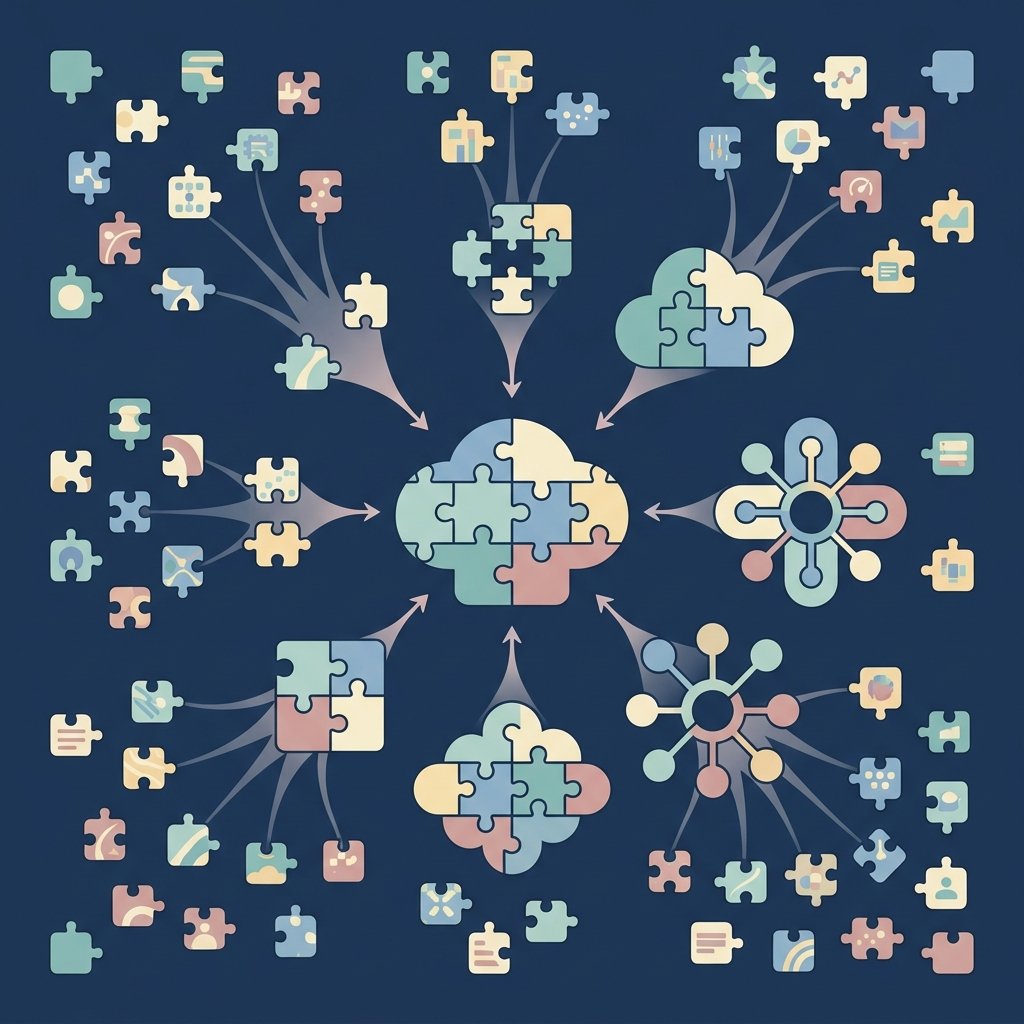
As the market has grown, so has the number of tools competing for attention. Today’s OSINT stack spans a dozen or more distinct categories — link analysis, geolocation (GEOINT), dark web monitoring, crypto forensics, social media intelligence, and more — with dozens of vendors in each. But rather than staying fragmented, the space is consolidating quickly. Established platforms are acquiring smaller, specialized tools and folding them into broader suites, giving investigators more integrated workflows instead of a patchwork of disconnected bookmarks and browser tabs.
What This Means for You
Whether you’re a security professional, a journalist, a corporate risk analyst, or simply someone curious about the field, this growth has practical implications:
- If you work in security or investigations, OSINT skills are becoming less optional and more foundational. The tools are more powerful than ever, but the fundamentals — knowing how to verify a source, structure an investigation, and think critically about what you find — matter more, not less.
- If you run a business, expect OSINT to show up increasingly in vendor screening, fraud detection, and insider risk monitoring, even if you never call it “OSINT” internally.
- If you’re choosing tools, the market’s rapid consolidation means today’s favorite standalone tool may be part of a larger platform within a year or two. It’s worth evaluating vendors not just on current features, but on where they seem to be headed.
- If you’re worried about AI-generated disinformation, you’re not alone — it’s one of the field’s biggest current challenges. The flip side of AI supercharging OSINT collection is that it’s also supercharging the fake content investigators have to sift through.
The Bottom Line
OSINT’s growth in 2026 isn’t a temporary spike — it’s the product of several durable trends (more data, more threats, more regulation, and dramatically better tooling) all reinforcing each other at once. The organizations and individuals who invest in OSINT literacy now — understanding not just the tools but the verification mindset behind them — will be far better positioned as the field continues to professionalize over the next several years.
This is the first post in a month-long series exploring the trends shaping OSINT in 2026. Next up: how AI is automating early-stage investigations — and where it still falls short.
Leave a Reply